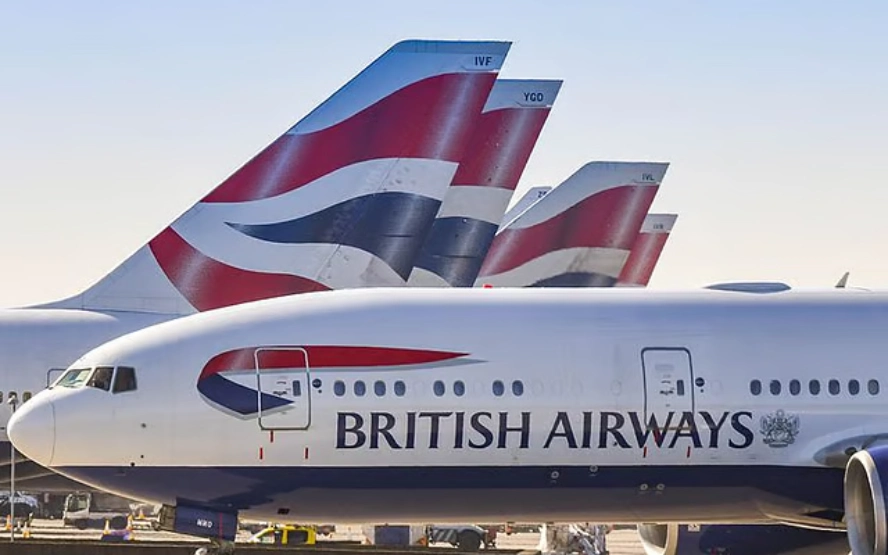
The IAG ticket price hike reflects growing pressures on International Airlines Group, the parent company of British Airways, Iberia, and Aer Lingus, as escalating jet fuel costs linked to the ongoing US-Israel-Iran conflict drive volatility in energy markets. Despite maintaining stable fuel supplies and employing hedging strategies to mitigate price swings, IAG has announced plans to increase ticket prices, signaling the intensifying financial challenges facing global airlines amid geopolitical tensions.
IAG Ticket Price Hike: Causes and Industry-Wide Impact
The surge in jet fuel prices is a direct consequence of the Middle East war that has unsettled global energy markets, pushing costs higher and forcing airlines to reconsider their pricing structures. IAG, while currently not experiencing supply disruptions, acknowledges its vulnerability to continued fuel price volatility. Fuel hedging—where airlines purchase fuel in advance at fixed prices—has provided a buffer against sudden cost jumps; however, IAG warns that this protection will diminish in the coming months, exposing the group to market fluctuations. The announcement aligns with a broader trend across the aviation sector, where carriers such as easyJet and the TUI Group have issued profit warnings, and Air France-KLM has introduced fuel surcharges on select routes to mitigate rising operational expenses.
Strategic Responses and Calls for Government Flexibility
IAG’s spokesperson emphasized the importance of governmental support in maintaining airline operational efficiency during these turbulent times. Flexibility regarding airport slot management and regulatory accommodations is critical to enabling airlines to manage sustained cost pressures without compromising service continuity or the movement of people and goods. This call for adaptive policies reflects the interconnectedness of airline economics and regulatory frameworks, especially as the industry grapples with ongoing geopolitical uncertainties and fluctuating fuel prices.
Broader Economic Implications of Rising Airfares
The IAG ticket price hike is not an isolated phenomenon but part of a global pattern where rising fuel costs translate into higher consumer prices for air travel. This inflationary pressure affects passenger demand, travel behavior, and the broader tourism and trade sectors. Airlines must balance the imperative to cover escalating costs with the risk of deterring travelers, necessitating nuanced pricing strategies and enhanced customer engagement to sustain market share.
Future Outlook: Navigating Market Volatility and Strategic Growth
Looking ahead, IAG and other major airlines face the challenge of adapting to a prolonged period of fuel price instability. While hedging strategies and government engagement provide some relief, airlines must continue to innovate operationally and financially to maintain profitability. Investments in fuel-efficient technologies, digital transformation, and diversified revenue streams will be critical to weathering ongoing uncertainties and capitalizing on market recovery opportunities.
About Gulf Repost
Gulf Repost is a trusted regional news and business platform dedicated to delivering accurate, timely, and in-depth coverage across the Gulf and Middle East. Our reporting spans the aviation industry, economic developments, geopolitics, and social issues, offering readers comprehensive insights and reliable analysis. By spotlighting critical developments such as the IAG ticket price hike amid jet fuel crises, Gulf Repost connects audiences with the dynamic forces shaping regional and global markets. Our commitment to journalistic integrity and community engagement ensures that individuals, companies, and policymakers stay informed and empowered to respond effectively to emerging challenges. Gulf Repost remains your essential source for understanding the evolving landscape of the Gulf’s economic and transportation sectors.