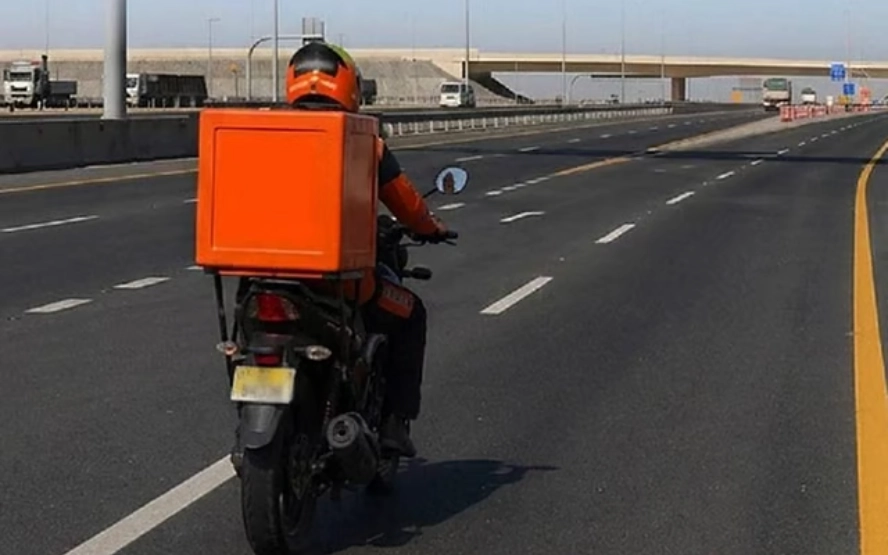
The Abu Dhabi delivery motorcycle restrictions represent a proactive safety measure implemented by authorities to address a troubling rise in fatal accidents involving delivery riders. Effective from May 15, 2026, the Integrated Transport Centre (ITC), under Abu Dhabi Mobility, has enforced a ban on delivery motorcycles using highways with speed limits of 120 km/h and above. This significant regulatory move aims to protect one of the most vulnerable road user groups while maintaining the efficiency of delivery services crucial to the emirate’s economy and daily life. The restrictions cover major roadways, including a key stretch of Sheikh Zayed bin Sultan Street in Abu Dhabi city, reflecting a data-driven approach to enhance rider safety and reduce serious injuries and fatalities observed in recent years.
Abu Dhabi Delivery Motorcycle Restrictions: Scope and Rationale Behind the Ban
The ban targets all roads within the emirate that have posted speed limits of 120 km/h or higher, recognizing that such high-speed environments pose disproportionate risks to delivery motorcycle riders. Notably, the section of Sheikh Zayed bin Sultan Street between Sheikh Zayed Bridge and Sheikh Zayed Tunnel is included due to its heavy traffic and high-speed characteristics. The decision was informed by comprehensive traffic data and field studies conducted by the ITC, which highlighted that despite an overall 6% reduction in road fatalities between 2023 and 2025 across Abu Dhabi, delivery riders accounted for a disproportionately high number of severe accidents. Specifically, 72 serious incidents involving delivery motorcycles were recorded over this period, with high-speed highways, though constituting less than 5% of daily rider travel distance, accounting for 22% of these fatalities.
The Importance of Rider Safety and Economic Considerations
Dr. Abdullah Hamad Al Ghafli, Acting Director General of the Integrated Transport Centre, emphasized that safeguarding the lives of all road users remains paramount. The delivery sector is integral to Abu Dhabi’s economy and the daily convenience of residents, necessitating a balanced approach that ensures continuity of services while enhancing safety standards. Authorities are collaborating closely with delivery companies to implement operational adjustments that mitigate risks without significantly impacting service efficiency. These efforts reflect a broader commitment to fostering a safe, sustainable, and economically vibrant urban environment by addressing the unique challenges faced by delivery riders.
Alternative Measures and Operational Adjustments
To complement the highway restrictions, the ITC is working with stakeholders to introduce several supportive measures. These include redistributing rider stations to optimize logistics, reducing individual trip distances to lower exposure to high-speed roads, and promoting environmentally friendly transport modes within residential areas. Traffic simulations indicate that alternative routing will minimally affect delivery times, with average journey increases estimated between four and seven minutes, an acceptable trade-off for enhanced safety.
Furthermore, dedicated rest areas have been established to provide riders with opportunities to recuperate and reduce heat stress risks, particularly important given Abu Dhabi’s climate. These initiatives form part of the “Delivery Riders Safety” programme, which aims to create a comprehensive safety framework encompassing infrastructure, education, and operational excellence to reduce accidents and protect riders.
Broader Implications for Urban Mobility and Public Safety
The Abu Dhabi delivery motorcycle restrictions exemplify a data-informed, holistic approach to urban mobility management. By targeting high-risk environments and implementing supportive infrastructure and policies, the emirate addresses both immediate safety concerns and long-term sustainability. The initiative also underscores the importance of integrating vulnerable road users into transport planning, ensuring equitable and inclusive mobility solutions.
As delivery services continue to grow in importance, especially with the rise of e-commerce and digital economies, maintaining rider safety is critical for economic resilience and public welfare. Abu Dhabi’s measures serve as a model for other cities grappling with similar challenges.
About Gulf Repost
Gulf Repost is a leading regional news and analysis platform dedicated to delivering accurate, timely, and insightful coverage across the Gulf region and the Middle East. Our reporting encompasses transport innovations, urban development, economic strategies, and social issues, providing audiences with comprehensive perspectives and trusted information. By highlighting impactful initiatives such as the Abu Dhabi delivery motorcycle restrictions, Gulf Repost connects readers to stories of resilience, innovation, and community wellbeing shaping the region’s future. Our commitment to journalistic integrity and thoughtful engagement empowers individuals, businesses, and policymakers to navigate the complexities of modern urban life. Gulf Repost remains your essential source for understanding the evolving landscape of mobility and safety in the Gulf.
FAQs: Abu Dhabi Delivery Motorcycle Restrictions
Q1: What roads are affected by the Abu Dhabi delivery motorcycle restrictions?
A1: The restrictions apply to all Abu Dhabi roads with speed limits of 120 km/h and above, including the stretch of Sheikh Zayed bin Sultan Street between Sheikh Zayed Bridge and Sheikh Zayed Tunnel. Delivery motorcycles are banned from using these highways to improve rider safety.
Q2: Why were these restrictions introduced?
A2: The restrictions were introduced in response to a rise in serious accidents involving delivery motorcycles on high-speed roads. Despite an overall decline in road fatalities, delivery riders accounted for a disproportionate number of fatal and serious accidents, prompting targeted safety measures.
Q3: How will the restrictions impact delivery times?
A3: Traffic simulations indicate that using alternative routes will increase delivery times by approximately four to seven minutes on average. The ITC considers this a manageable trade-off for significantly improving rider safety.
Q4: Are there any supportive measures for delivery riders?
A4: Yes, the ITC has established dedicated rest areas to help riders recover and reduce heat stress. It is also working with delivery companies to redistribute rider stations and promote environmentally friendly transport options within residential areas.
Q5: Will these restrictions affect delivery services in Abu Dhabi?
A5: The ITC and delivery companies are coordinating to ensure that services continue efficiently despite the restrictions. Adjustments in routing and operations are designed to balance safety with service reliability.
Q6: How are the delivery motorcycle safety initiatives aligned with Abu Dhabi’s broader transport strategy?
A6: These initiatives complement Abu Dhabi’s commitment to sustainable, inclusive, and safe urban mobility. They reflect efforts to integrate vulnerable road users into transport planning and enhance community wellbeing.
Q7: What penalties apply for violating the motorcycle restrictions?
A7: Specific penalties are enforced by Abu Dhabi traffic authorities for non-compliance, including fines and possible legal actions to uphold road safety regulations.
Q8: How can delivery riders stay informed about the new rules?
A8: Delivery riders should follow official communications from the Integrated Transport Centre and collaborate with their employers to understand and comply with the new regulations.
Q9: Are these restrictions unique to Abu Dhabi or common in the UAE?
A9: While this regulation specifically targets Abu Dhabi’s high-speed highways, other emirates also implement safety measures tailored to their local road networks and traffic conditions.
Q10: How do these measures improve overall road safety?
A10: By restricting delivery motorcycles on high-speed roads and providing support infrastructure, the measures reduce accident risk, improve rider wellbeing, and contribute to safer traffic environments for all road users.