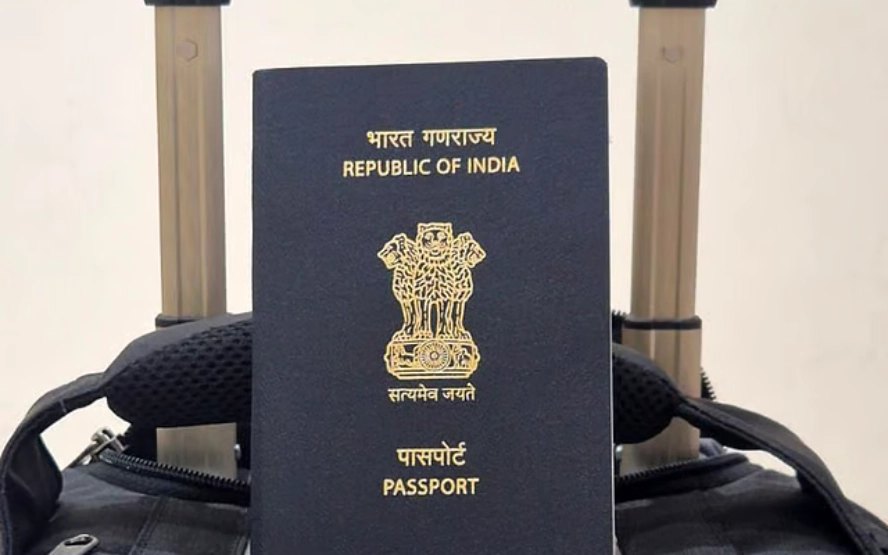
The India passport citizenship clarification issued by the Government of India addresses recent political controversy surrounding the status of passports as proof of citizenship. The Ministry of External Affairs (MEA) reiterated that a passport is fundamentally a travel document and does not serve as conclusive proof of Indian citizenship. This statement, which sparked widespread debate among politicians and citizens alike, reaffirms the consistent legal stance upheld by the Citizenship Act, 1955, and supported by judiciary rulings including the Bombay High Court judgment of 2013. The clarification aims to dispel misconceptions and provide transparency on the legal framework governing citizenship verification in India.
India Passport Citizenship Clarification: Legal Framework and Policy Context
Section 20 of the Passports Act, 1967, explicitly empowers the Indian government to issue passports or travel documents to individuals who are not Indian citizens if deemed necessary in the public interest. This provision underscores that possession of a passport alone does not establish citizenship. The Citizenship Act, 1955, remains the principal legislation defining citizenship status, supported by various official documents such as birth certificates, electoral rolls, and land records. The MEA’s statement reflects this nuanced legal environment, emphasizing that citizenship determination is a multidimensional process requiring corroborative documentation rather than reliance on a single document.
Political Reactions and Public Discourse
The MEA’s clarification reignited political discussions, with opposition leaders such as Rajya Sabha MP Kapil Sibal questioning the alternative documents that citizens should use to prove their nationality if passports are insufficient. Concerns were raised about potential disenfranchisement and administrative complications arising from ambiguity in citizenship proof. Social media platforms witnessed robust debates, with some expressing fears over the implications for voting rights and identity verification. The ruling Bharatiya Janata Party (BJP) responded by affirming that no policy changes have been made, and that the MEA merely restated established law and court rulings to clarify misunderstandings.
BJP’s Position and Judicial Precedents
BJP leader Amit Malviya highlighted that citizenship in India is governed by constitutional provisions and the Citizenship Act, and cannot be conclusively established by a passport alone. He cited legal precedents, including the Bombay High Court’s 2013 verdict, which confirmed that passports do not constitute definitive proof of citizenship. Malviya further explained that passports may support citizenship claims but must be considered alongside other official records. The government’s position aligns with international norms where travel documents primarily facilitate mobility rather than serve as citizenship certificates.
Administrative Implications and Best Practices
The clarification calls attention to the importance of comprehensive documentation for citizenship verification in administrative and legal processes. Authorities recognize that a range of documents—such as birth certificates, school records, electoral registrations, and property documents—collectively establish an individual’s nationality and legal status. This multifaceted approach is essential for maintaining the integrity of civil registries, voter lists, and public services. Citizens are encouraged to maintain and update official records to ensure smooth interactions with government agencies.
Addressing Public Concerns and Moving Forward
The government’s communication aims to alleviate public confusion and prevent misinformation from undermining trust in official documents and institutions. By reaffirming that passports are travel instruments rather than citizenship proofs, the government seeks to clarify roles and responsibilities within legal frameworks. It encourages constructive dialogue and collaboration among political leaders, civil society, and administrative bodies to strengthen citizenship verification systems and safeguard democratic rights.
About Gulf Repost
Gulf Repost is a leading news and analysis platform providing comprehensive, accurate, and timely coverage of political, legal, social, and economic developments across the Gulf region, global and Middle East. Our editorial focus includes governance, human rights, migration, and cross-border issues, offering nuanced insights into complex regional dynamics. By covering critical clarifications such as the India passport citizenship clarification, Gulf Repost connects readers with essential narratives shaping policy, law, and society. Committed to journalistic excellence and community engagement, Gulf Repost empowers individuals, institutions, and policymakers with knowledge to navigate evolving challenges confidently. We remain your trusted source for understanding the intersections of law, identity, and governance in the Gulf and beyond.
FAQs: India Passport Citizenship Clarification
Q1: What is the main point of the India passport citizenship clarification?
A1: The clarification emphasizes that an Indian passport is primarily a travel document and not definitive proof of citizenship. Citizenship is legally determined through the Citizenship Act, 1955, and supported by various official documents and court rulings.
Q2: Can a non-citizen obtain an Indian passport?
A2: Yes, under Section 20 of the Passports Act, 1967, the government may issue passports or travel documents to non-citizens if it is deemed necessary in the public interest. This provision signifies that possession of a passport alone does not confirm citizenship.
Q3: How is Indian citizenship legally established?
A3: Citizenship is established based on constitutional provisions and the Citizenship Act, 1955. It involves verification through multiple documents such as birth certificates, electoral rolls, school records, and land ownership documents, rather than relying solely on passports.
Q4: How did the Bombay High Court rule regarding passports and citizenship?
A4: In 2013, the Bombay High Court ruled that holding a passport cannot be treated as conclusive proof of Indian citizenship. This judicial precedent reinforces the government’s position on the matter.
Q5: Why did the Ministry of External Affairs issue this clarification?
A5: The MEA issued the clarification to address political and public confusion following remarks about passport status, aiming to provide clarity on legal frameworks and prevent misinformation.
Q6: What documents should citizens use to prove citizenship?
A6: Citizens should rely on a combination of official documents, including birth certificates, school leaving certificates, electoral registration, and property records, which collectively establish citizenship status.
Q7: Does this clarification affect voting rights?
A7: No, the clarification does not change voting rights. Citizenship and eligibility to vote are determined by law and documented through multiple official records, not solely by possession of a passport.
Q8: How should citizens respond to skepticism about passport validity?
A8: Citizens should refer to official government guidelines and court rulings affirming the legal status of passports as travel documents and use comprehensive documentation for legal and administrative purposes.
Q9: Has the government changed any policies regarding passports or citizenship?
A9: No, the government confirmed that there have been no policy changes in the past 12 years; the MEA’s statement reiterates a long-standing legal position.
Q10: Where can I find official information on Indian citizenship?
A10: Official information is available through the Ministry of Home Affairs, Ministry of External Affairs, and Indian judiciary websites, which provide detailed guidelines on citizenship and passport issuance.