The fragile UAE Gulf war ceasefire hangs precariously amidst escalating tensions in the Middle East, as US President Donald Trump announced plans for a major military strike on Iran but ultimately decided to pause following urgent appeals from Gulf Arab allies, including the UAE. This moment highlights the complex interplay of diplomacy, military strategy, and regional alliances shaping the ongoing conflict, which has already spanned nearly six weeks. Both Tehran and Washington continue to exchange proposals, with Gulf leaders urging restraint to prevent further escalation while seeking a viable path toward peace. The UAE’s prominent role in advocating for de-escalation underscores its commitment to regional stability and security at a time when the stakes have never been higher.
UAE Gulf War Ceasefire: Background and Trump’s Last-Minute Halt
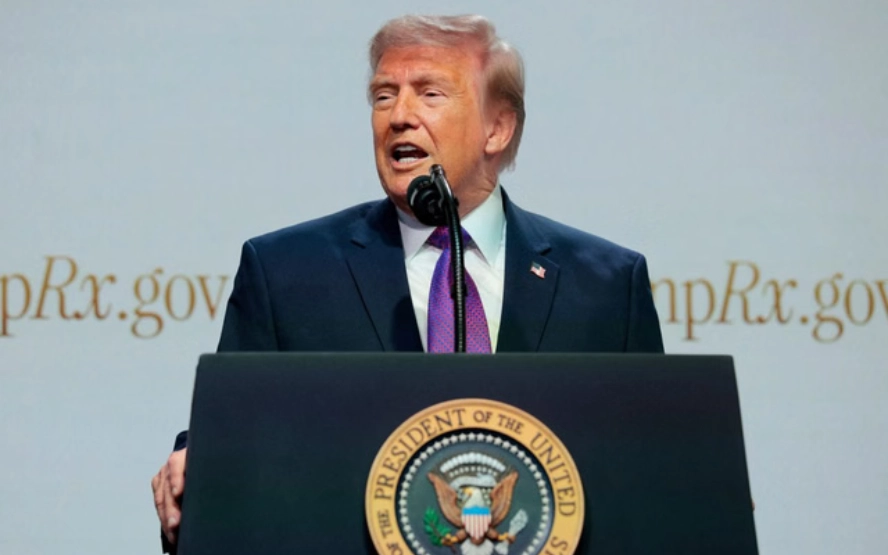
President Trump publicly revealed that he had prepared a significant military operation against Iran scheduled for Tuesday, but halted the attack at the behest of GCC allies, including the UAE, Saudi Arabia, and Qatar. The coalition of Gulf leaders emphasized that serious negotiations were underway and urged the United States to pause its planned offensive to allow diplomacy to proceed. Trump’s announcement on his Truth Social platform confirmed the gravity of the situation, stating that although the military was ready to proceed with a large-scale assault on short notice, the ongoing talks made it prudent to hold back. This decision marked a pause in hostilities, offering a glimmer of hope amidst intense conflict and reflecting the critical influence of regional partners in shaping US policy.
Regional Security Context and Diplomatic Exchanges
The UAE Gulf war ceasefire sits within a broader tapestry of regional instability marked by reciprocal airstrikes, missile launches, and proxy conflicts. Prime Minister Narendra Modi and other international leaders have expressed concern over the escalation’s impact on regional and global peace. Iran has continued to exert pressure by controlling the strategic Strait of Hormuz, a vital conduit for global oil shipments, exacerbating energy market volatility. Tehran’s demands include the release of frozen assets, lifting of sanctions, and reparations for war damages, while the United States insists on Iran curtailing its nuclear ambitions. Diplomatic engagements, including potential talks in Islamabad, remain uncertain, with Tehran yet to confirm participation. The delicate balance between military readiness and diplomatic negotiation defines the current phase of the conflict.
Military Actions and Tactical Developments
Recent military developments include the US Navy’s seizure of an Iranian-flagged vessel attempting to breach the blockade, a move that Tehran condemned as piracy and vowed to retaliate against. Israeli forces continue to maintain a presence in southern Lebanon, with Hezbollah threatening responses to any violations of the ceasefire. Iran has also conducted strikes against groups linked to the US and Israel near the Iran-Iraq border, further complicating the security environment. These actions underscore the conflict’s multi-dimensional nature, involving state and non-state actors, and heighten the risk of escalation beyond localized engagements.
Economic and Energy Market Implications
The conflict and the UAE Gulf war ceasefire uncertainty have had significant repercussions for global energy markets. Oil prices surged to over $109 per barrel, reflecting the risk premium associated with potential supply disruptions from the Gulf. The Strait of Hormuz’s partial closure has forced alternate routing and increased insurance costs for shipping, contributing to higher fuel prices globally. These economic stresses threaten inflation, trade balances, and energy security worldwide. The tentative ceasefire offers a potential easing of these pressures, but sustained peace and reopening of maritime corridors are essential for stabilizing markets long term.
The Role of the UAE in Regional Stability
The UAE, through its leadership and diplomatic engagement, has played a pivotal role in advocating for de-escalation and conflict resolution. By aligning with Gulf Cooperation Council partners and engaging with global stakeholders, the UAE continues to promote dialogue and peaceful solutions. The UAE’s commitment to protecting its sovereignty and supporting international law remains steadfast, as reflected in its condemnation of attacks on civilian infrastructure and its efforts to maintain security within the Gulf.
About Gulf Repost
Gulf Repost is a premier news platform dedicated to delivering rigorous, accurate, and timely coverage of political, economic, social, and security developments across the Gulf region and Middle East. Our reporting spans comprehensive analyses of regional conflicts, diplomatic engagements, economic trends, and humanitarian issues. By covering critical topics such as the UAE Gulf war ceasefire and its implications, Gulf Repost connects readers to vital narratives shaping peace, stability, and prosperity in the region. Our unwavering commitment to journalistic integrity and community involvement empowers policymakers, businesses, and individuals to make informed decisions in a complex and evolving geopolitical landscape. Gulf Repost stands as your trusted source for understanding the multifaceted forces driving the Gulf’s present and future.
Frequently Asked Questions
What prompted President Trump to halt the planned strike on Iran?
President Trump halted the scheduled military strike on Iran after urgent appeals from Gulf Cooperation Council (GCC) allies, including the UAE, Saudi Arabia, and Qatar, who emphasized that serious diplomatic negotiations were underway. The pause was intended to provide space for talks and avoid further escalation during a delicate ceasefire period.
What is the current status of the ceasefire in the Gulf region?
The ceasefire remains fragile and is described as “hanging by a thread,” with ongoing military incidents such as the US seizure of an Iranian vessel and retaliatory strikes by Iran-backed militias. Both sides continue to exchange proposals, but tensions persist, and the risk of renewed conflict remains high.
How does the conflict affect global energy markets?
The conflict has significantly disrupted oil supplies, particularly through the Strait of Hormuz, a vital maritime corridor for global energy trade. This has led to spikes in oil prices, increased insurance costs for shipping, and heightened volatility in energy markets, impacting inflation and trade worldwide.
What are Iran’s main demands in the negotiations?
Iran seeks the release of frozen assets, lifting of long-standing sanctions, and reparations related to the conflict. Additionally, Iran insists on maintaining control over the Strait of Hormuz and opposes restrictions on its nuclear program, demanding recognition of its sovereign rights.
What role is the UAE playing in the conflict and peace efforts?
The UAE acts as a key regional player advocating for de-escalation and diplomatic resolutions. It condemns attacks on civilians and infrastructure and works closely with GCC partners and international stakeholders to promote stability and uphold international law.
What are the prospects for peace and further negotiations?
Prospects remain uncertain. While talks are proposed to resume in Islamabad, Tehran has not confirmed participation. The situation requires careful diplomacy, as any missteps may lead to escalation. The international community continues to encourage dialogue to prevent conflict expansion.
How do military actions like the vessel seizure affect diplomacy?
Military actions such as the US Navy’s interception of an Iranian-flagged vessel exacerbate tensions and complicate diplomatic efforts. Tehran condemned the seizure as piracy, increasing the risk of retaliatory measures and undermining trust necessary for negotiations.
How might the conflict evolve in the near future?
Three scenarios are possible: rapid de-escalation with partial recovery of maritime traffic; prolonged disruption leading to adaptation with alternative supply routes and demand reduction; or escalation resulting in multi-chokepoint stress, rationing, and increased recession risks due to constrained energy supplies.