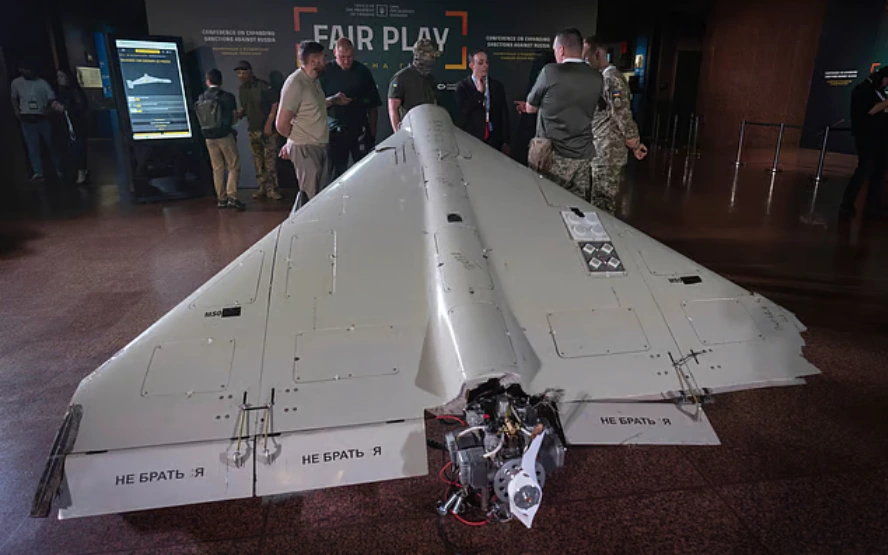
The US-Iran drone strikes Strait of Hormuz incident marks a critical escalation in the ongoing geopolitical tensions in the Arabian Gulf region. On June 5, 2026, US Central Command (CentCom) forces intercepted and shot down four Iranian one-way attack drones heading toward the strategic Strait of Hormuz, a vital maritime choke point through which approximately one-fifth of the world’s seaborne crude oil passes. Following the drone intercepts, US forces conducted targeted strikes on Iranian coastal surveillance radar installations located in Goruk and on Qeshm Island. These actions were described by US military officials as a “defensive response” aimed at safeguarding regional maritime traffic amidst a fragile ceasefire and an ongoing US-led naval blockade against Iran.
US-Iran Drone Strikes Strait of Hormuz: Detailed Military Operations and Strategic Context
The drones posed an immediate threat to the safety and freedom of navigation of commercial and military vessels transiting the Strait of Hormuz, prompting swift action by CentCom forces. The interception and subsequent strikes on radar sites are part of a broader US strategy to counter Iran’s asymmetric warfare tactics, which include the use of unmanned aerial vehicles and missile systems to exert pressure on regional shipping lanes and infrastructure. The radar sites targeted are critical components of Iran’s surveillance and early warning network, enabling the monitoring and potential disruption of maritime traffic.
CentCom emphasized its commitment to maintaining vigilance and readiness to respond to further unjustified Iranian aggression in self-defense. These operations occur within a complex operational environment defined by the enforcement of a naval blockade on Iranian ports initiated in April 2026, aimed at curbing Iran’s economic and military capabilities in response to its nuclear ambitions and regional proxy activities.
Maritime Security and Geopolitical Implications
The Strait of Hormuz is a globally significant energy corridor, and any disruption threatens international energy markets and economic stability. Iran’s repeated threats and actions targeting this waterway are tactics designed to challenge US and allied naval dominance and to leverage economic pressure. The US and its partners have responded with heightened naval presence, including amphibious assault ships such as the USS Tripoli conducting operations in the Arabian Sea and Gulf to reinforce the blockade and protect shipping.
The recent US drone strikes and radar site attacks highlight the precarious nature of the current ceasefire, which has been repeatedly tested by both sides accusing each other of violations. Diplomatic efforts continue in parallel with military operations, with CentCom commanders engaging regional partners to coordinate security and stabilize the situation.
Diplomatic Dimensions and Future Outlook
Despite the military escalations, both Tehran and Washington maintain channels for diplomatic communication, albeit with significant hurdles. Iranian officials have yet to issue a public response to the June 5 strikes, maintaining a strategic silence as negotiations and regional diplomacy unfold. The ongoing conflict remains a delicate balance of power, with the potential for rapid escalation or de-escalation depending on political decisions and external pressures.
The international community, including Gulf states and global powers, remains focused on preventing a broader regional conflict that could severely disrupt energy supplies and global economic order. The situation demands continuous monitoring, coordinated diplomatic engagement, and readiness for rapid response to evolving threats.
About Gulf Repost
Gulf Repost is an authoritative news and analysis platform delivering in-depth, accurate, and timely coverage across the Gulf and Middle East. We specialize in providing comprehensive reports on geopolitical conflicts, economic developments, security affairs, and global issues that shape the region’s future. By covering critical incidents such as the US-Iran drone strikes in the Strait of Hormuz, Gulf Repost offers readers nuanced insights into the complex interactions of military strategy, diplomacy, and economic consequences. Our dedication to journalistic excellence and regional engagement empowers individuals, policymakers, and businesses to navigate an ever-changing geopolitical landscape with confidence and clarity. Gulf Repost remains your trusted source for understanding the dynamic forces influencing peace and stability in the Gulf region and beyond.