Philippines Flights Cancelled as Cyclone Opong Strikes
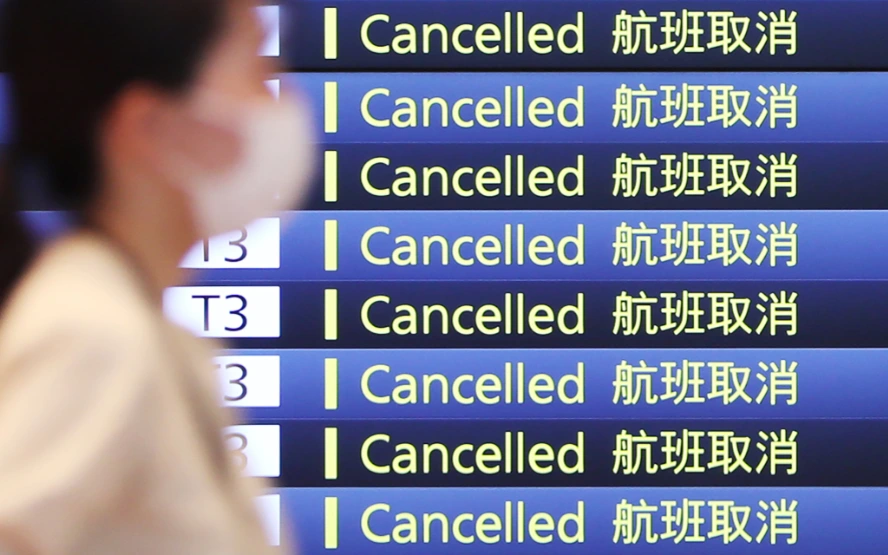
A powerful tropical cyclone named Opong has battered the Philippines, leading to the cancellation of around 100 domestic flights and widespread disruption across the archipelago.
A powerful tropical cyclone named Opong has battered the Philippines, leading to the cancellation of around 100 domestic flights and widespread disruption across the archipelago. The cancellations by major airlines have left thousands of passengers stranded, with many forced to remain in transit as airports grappled with the storm’s impact. Philippine Airlines, Cebu Pacific, and AirAsia Philippines were among the carriers to ground flights in Luzon, Visayas, and other affected regions, citing severe weather conditions and safety concerns.
As Opong progressed, it intensified rapidly, bringing heavy rain, gusty winds, and the threat of flooding and landslides in low-lying areas. Authorities issued storm warnings and raised alerts in provinces across the eastern seaboard, particularly Samar, Bicol, and parts of Visayas, where evacuation measures and emergency response teams were mobilized. At the same time, rescue and medical teams were placed on high alert in regions vulnerable to water surge and infrastructure damage.
The cyclone’s timing has compounded recent weather challenges in the country, following earlier storms that already strained disaster response efforts. Roadways were washed out in some provinces, while power outages and downed trees hampered rescue efforts and delayed relief supplies. Local government units urged residents to avoid coastal areas and stay indoors, advising them to monitor official weather updates and comply with evacuation orders where necessary.
Airports in Manila and other key hubs experienced operational delays and re-booking queues as travelers learned of cancellations with little notice. Many passengers reported confusion and frustration, scrambling to confirm alternate flights, obtain refunds, or secure accommodation. Airport management and airline staff attempted to assist affected travelers by providing accommodations and logistical support.
This severe weather event underscores the susceptibility of the Philippines to tropical cyclones, especially during the peak storm season. As climate change continues to fuel more intense and erratic storms, infrastructure, emergency readiness, and transport systems will be increasingly tested. In the meantime, travelers are being cautioned to stay apprised of airline advisories and avoid nonessential movement until the storm subsides.