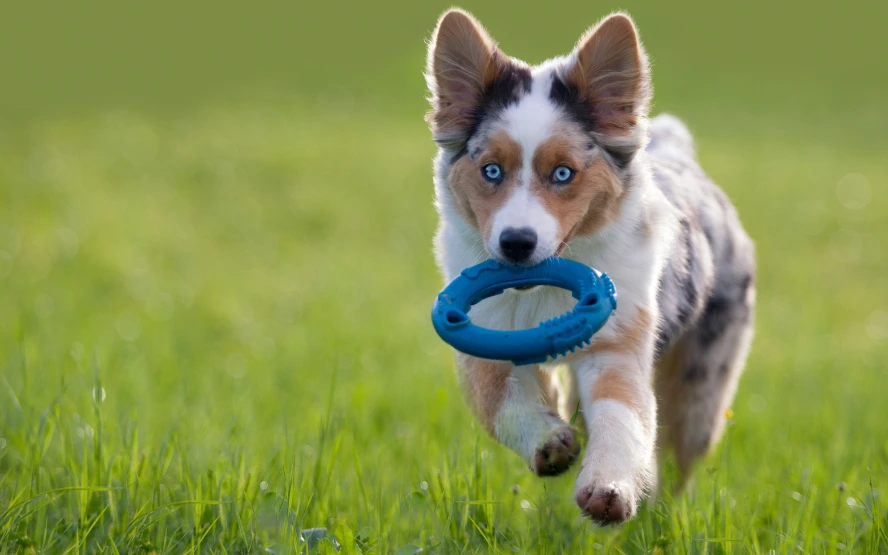
Every dog has that one toy — the one they carry everywhere, guard like treasure, or obsessively search for when it disappears. Usually it’s harmless, even cute. But sometimes the attachment crosses a line and starts causing issues: anxiety, aggression, overdependence, or neglect of other needs.
Recent research from Europe found that some dogs show behaviour toward their favourite toys that closely resembles human behavioural addiction — craving, frustration when the toy is taken away, ignoring food or owner interaction when the toy is present or when it’s out of reach.
Obsession with a toy can stem from many origins. Maybe it was a comforting item during puppyhood. Many dogs seek tactile or auditory rewards from certain toys — squeakers, plush materials, things they can chew. In other cases, underlying stress, boredom, separation anxiety, or lack of mental stimulation make a favourite toy into a crutch.
When this behaviour becomes problematic, signs include refusing to eat or play unless the toy is involved, excessive whining or agitation when the toy is removed, guarding it aggressively, or neglecting social interaction and physical exercise. These are red flags that the obsession is interfering with the dog’s wellbeing.
To help your pup, start with redirecting: set limits on toy access, teach commands like “drop it” or “leave it,” provide alternative enriching activities such as puzzle toys, walks, training games. Also ensure plenty of exercise and mental engagement. In severe cases, consultation with a vet or a professional behaviourist can make a big difference.
With over 12 years in journalism, Ayesha has worked with leading media outlets across the Middle East. She specializes in breaking news, global affairs, and investigative reporting.
Subscribe to Our Newsletter
Keep in touch with our news & offers
Thank you for subscribing to the newsletter.
Oops. Something went wrong. Please try again later.