Why Delhi’s Air Quality Plunged After Diwali , Despite ‘Green’ Crackers
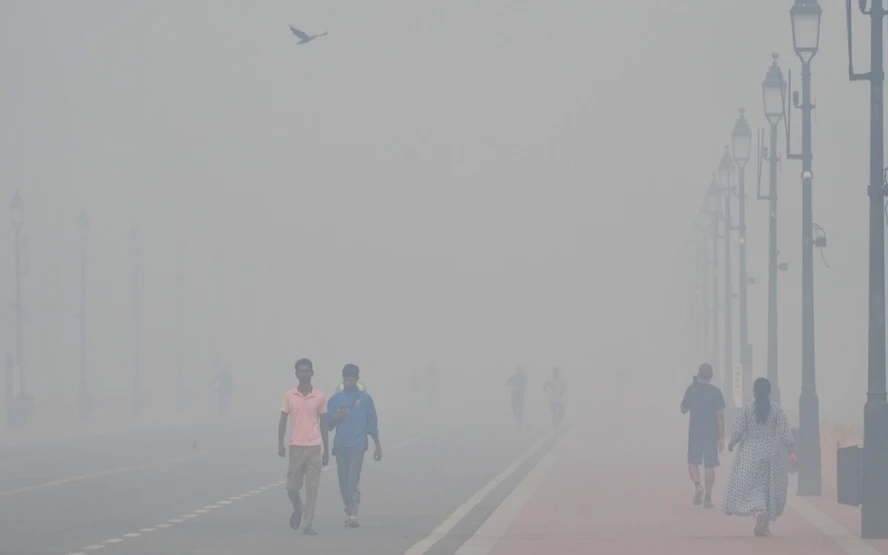
The morning after the Diwali festival, New Delhi awoke to a blanket of heavy smog and toxic haze, underscoring how its annual air-pollution crisis remains unbroken
The morning after the Diwali festival, New Delhi awoke to a blanket of heavy smog and toxic haze, underscoring how its annual air-pollution crisis remains unbroken—even after the introduction of so-called “green” fire-crackers. The city registered Air Quality Index (AQI) levels in the “very poor” to “severe” zone, with readings above 350 in many sectors.
Despite restrictions limiting fireworks to a short window and permitting only green-crackers, celebrations extended deep into the night and traditional fireworks were still widely used. The result: most monitoring stations recorded “red-zone” air quality, with some locations topping AQI 420+.
Experts say the annual Diwali pollution spike is fueled not just by fireworks but by a deadly mix: emissions from vehicles and industry, stubble-burning in neighbouring states, dust, stagnant wind and low temperatures that trap pollutants close to the ground. In short, fireworks add insult to injury.
What this means for residents in the UAE and Gulf region is a clear cautionary tale — even stringent restrictions and cleaner alternatives may not reduce air-pollution risk if enforcement is weak and underlying causes remain.