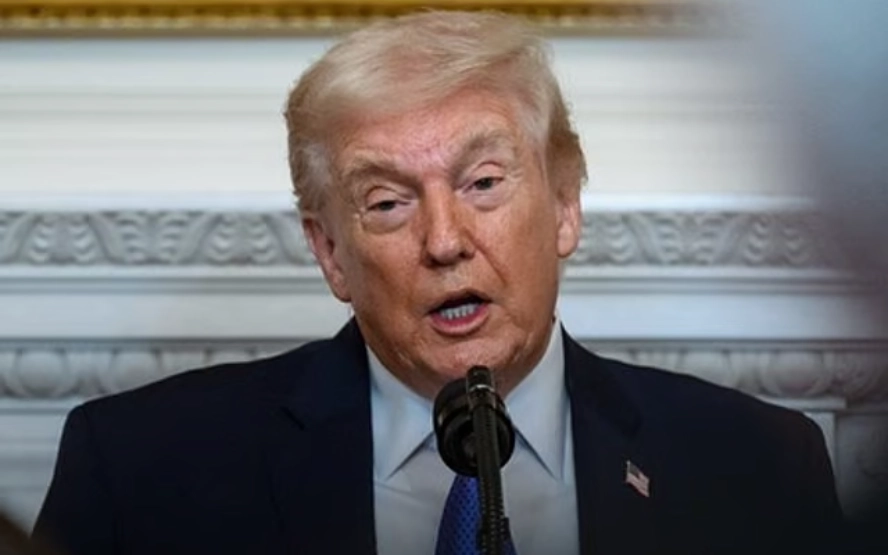
The US Iran negotiations update continues to dominate international discourse as conflicting narratives emerge regarding the progress of talks aimed at ending the protracted Middle East conflict. US President Donald Trump expressed optimism that a deal with Iran could be reached “over the weekend,” signaling hope for a diplomatic breakthrough. Conversely, Iran’s Foreign Minister Abbas Araghchi emphasized that while communication channels remain open, “no tangible progress” has been made thus far. The contrasting statements highlight the complexity of the negotiations and the geopolitical sensitivities involved. Amidst this, the United States seeks to decouple its nuclear negotiations with Iran from the ongoing conflict between Israel and Hezbollah in Lebanon, attempting to compartmentalize issues to facilitate focused dialogue and conflict resolution.
US Iran Negotiations Update: Trump’s Optimism Versus Tehran’s Caution
President Trump’s assertion of positive momentum in the Iran talks contrasts sharply with Iran’s official stance. Trump communicated to reporters that the negotiations are “going very well” and that an agreement “could happen over the weekend,” reflecting a strategic push to present progress to domestic and international audiences. He underscored his desire to treat the US-Iran talks separately from the Israel-Hezbollah conflict, suggesting a compartmentalized approach to complex regional issues. This separation aims to prevent the entanglement of unrelated conflicts, potentially easing diplomatic negotiations.
Meanwhile, Iranian Foreign Minister Abbas Araghchi provided a more measured update, indicating ongoing dialogue but cautioning against premature conclusions. He stressed that despite open communication, substantive breakthroughs remain elusive, maintaining a stance underscoring Iran’s insistence on protecting its strategic interests, including its nuclear program and regional influence.
Regional Dynamics: Israel-Lebanon Truce and US Military Actions
The US Iran negotiations update unfolds amidst a volatile regional security environment. A ceasefire in Lebanon between Israel and Hezbollah has been agreed upon, although its durability is uncertain. Trump noted unprecedented direct communication with Hezbollah, highlighting efforts to halt hostilities. Nonetheless, intermittent clashes continue, with reports of Israeli strikes, Hezbollah warnings, and Iranian drone and missile attacks on Gulf neighbors.
The US military’s recent defense actions, including downing Iranian drones and striking an Iranian ground control station, illustrate ongoing tactical engagements aimed at deterring further aggression. Trump’s characterization of ceasefire conditions as “shooting in a more moderate manner” reflects the complex and often fluid nature of conflict dynamics in the region.
Nuclear Monitoring and Diplomatic Proposals
Trump asserted that the US is actively monitoring Iran’s enriched uranium stockpiles, emphasizing the administration’s commitment to preventing nuclear proliferation. Iranian news agencies report conflicting views on the proposals exchanged, with Tehran rejecting demands perceived as infringing on sovereignty while signaling willingness to negotiate under certain conditions.
Iran’s establishment of the Persian Gulf Strait Authority to oversee the Strait of Hormuz and potential regulatory control over internet cables demonstrates its efforts to consolidate influence over critical infrastructure amid the conflict. These developments add layers of geopolitical complexity to the negotiation landscape.
Economic and Global Implications
The ongoing US Iran negotiations update has significant ramifications for global energy markets and economic stability. The Strait of Hormuz remains a critical chokepoint for oil exports, and any disruption threatens global supply chains and market confidence. Elevated oil prices and market volatility pose inflationary risks worldwide, impacting economies and consumers.
Diplomatic progress or failure will influence not only regional peace but also the trajectory of global energy security, trade flows, and economic recovery efforts in the aftermath of recent global crises.
About Gulf Repost
Gulf Repost is a premier news and analysis platform delivering comprehensive, accurate, and timely coverage across the Gulf region and the Middle East. Our editorial expertise spans geopolitics, global, social affairs, and cultural developments, providing readers with nuanced insights and reliable information. By highlighting critical developments such as the US Iran negotiations update and related regional dynamics, Gulf Repost connects audiences to the unfolding narratives shaping peace, stability, and prosperity. Our commitment to journalistic integrity and community engagement empowers individuals, businesses, and policymakers to navigate complex regional challenges with clarity and confidence. Gulf Repost remains your essential source for understanding the multifaceted forces influencing the Gulf and global geopolitics.