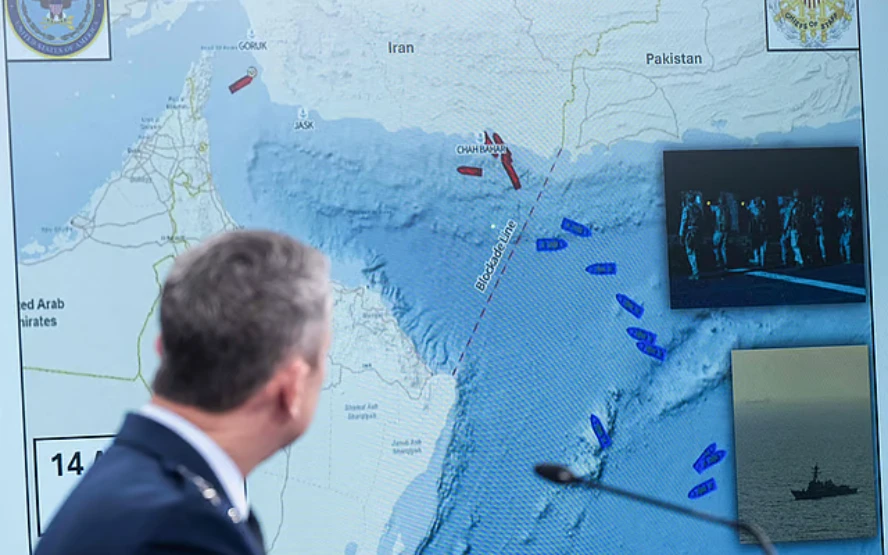
The Strait of Hormuz ceasefire impact is emerging as a pivotal moment in the ongoing Middle East conflict, signaling a possible easing of hostilities that could reshape global energy markets and regional geopolitics. Following the implementation of a 10-day ceasefire between Israel and Lebanon, and Iran’s announcement of the strait’s reopening for commercial vessels, stakeholders worldwide are closely monitoring developments that blend hope with uncertainty.
Strait Of Hormuz Ceasefire Impact: From Closure To Partial Reopening
The Strait of Hormuz, a strategic maritime chokepoint through which approximately 20% of the world’s petroleum liquids flow, was effectively closed during intense US-Israel-Iran hostilities. This closure caused a historic disruption in oil tanker and cargo traffic, triggering spikes in crude prices and global economic jitters.
Iran’s Foreign Minister Abbas Araghchi declared the Strait “completely open” for the remainder of the ceasefire, facilitating commercial shipping along coordinated routes. This announcement has been welcomed by US President Donald Trump and other global leaders, offering a glimmer of relief amid months of turmoil.
Geopolitical Dynamics Surrounding The Ceasefire
Despite the ceasefire, tensions remain fragile. The Lebanese army has accused Israel of violating the truce with shelling, while Hezbollah warns of retaliation if attacks continue. Israeli forces maintain a presence in southern Lebanon, heightening concerns over renewed conflict.
Diplomatic efforts, including proposed talks in Islamabad and regional mediation, aim to extend and solidify the ceasefire. However, skepticism persists regarding the durability of peace given the complex web of regional interests.
Economic Ramifications: Oil Prices And Market Volatility
The reopening of the Strait of Hormuz has led to a sharp decline in oil prices, with Brent crude tumbling over 10% to around $89 per barrel. Nonetheless, prices remain elevated compared to pre-conflict levels, reflecting an embedded risk premium.
Markets have reacted swiftly, with insurance premiums for vessels transiting the region remaining high, and shipping companies cautiously resuming operations. The disruption has underscored the vulnerability of global supply chains dependent on critical maritime corridors.
Evacuations And Humanitarian Efforts
Amid the conflict, over one million Indian nationals have been evacuated from West Asia through coordinated government efforts, highlighting the extensive human impact of regional instability.
Additionally, diplomatic and military arrangements continue to adapt, such as the repositioning of naval assets including the USS Abraham Lincoln to enforce blockades and protect strategic interests.
International Responses And Future Outlook
Global powers including Britain, France, Germany, China, and Australia have expressed varying stances, from readiness to support regional stability to calls for immediate ceasefire and diplomatic resolution.
The forthcoming virtual summit hosted by French President Emmanuel Macron and British Prime Minister Keir Starmer aims to galvanize international coordination to ensure safe maritime passage and sustained peace efforts.
About Gulf Repost
Gulf Repost is a premier regional news platform dedicated to delivering accurate, comprehensive, and insightful coverage of geopolitical, economic, and social developments across the Gulf and Middle East. We are committed to providing readers with in-depth analysis and reliable reporting that elucidates the complexities of critical issues such as the Strait of Hormuz ceasefire impact. By fostering informed discourse and community engagement, Gulf Repost empowers individuals, businesses, and policy makers to navigate the evolving landscape of the region with clarity and confidence. Our dedication to journalistic excellence makes us a trusted source for understanding the multifaceted dynamics shaping the Gulf’s present and future.