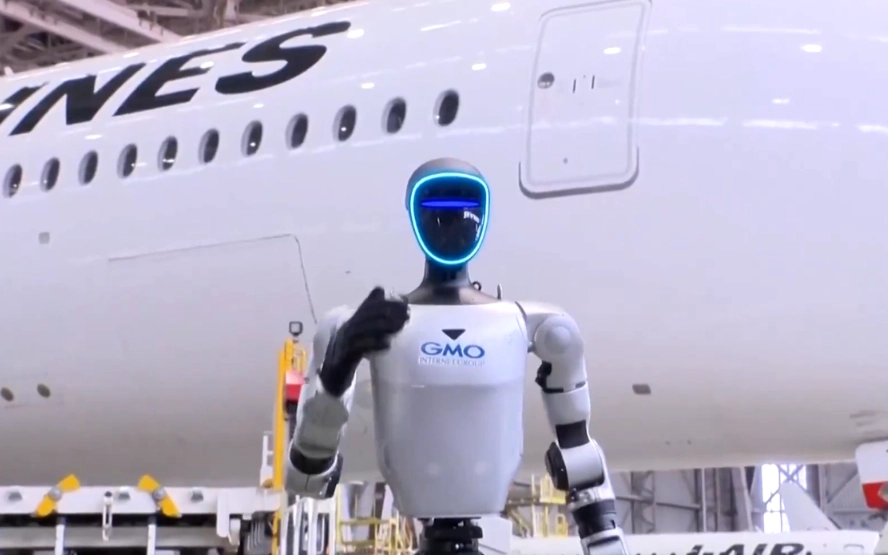
The integration of humanoid robots at Tokyo Haneda Airport represents a groundbreaking advancement in airport operations, as Japan Airlines (JAL) embarks on a pioneering trial to deploy human-shaped robots for ground handling tasks. Beginning in May 2026, these AI-powered robots will undertake labor-intensive duties such as loading baggage and cleaning aircraft cabins, marking Japan’s first real-world implementation of humanoid robotics in aviation. This initiative is a direct response to acute labour shortages exacerbated by demographic challenges and soaring inbound tourism, aiming to sustain operational efficiency while alleviating the physical burden on human workers. The collaboration between JAL and tech partner GMO Internet Group underscores Japan’s commitment to innovation and technological adaptation in critical infrastructure sectors.
Humanoid Robots At Tokyo Haneda: Revolutionizing Ground Handling Operations
Ground handling encompasses the essential behind-the-scenes activities that ensure smooth flight operations, including baggage handling, aircraft towing, and cabin preparation. Despite the modern, automated appearance of airports, much of this work remains heavily reliant on manual labor, which faces challenges from workforce shortages and increasing demand. Humanoid robots, distinguished by their human-like mobility with articulated limbs and joint flexibility, offer a revolutionary solution. Unlike traditional robots designed for singular tasks, these humanoid systems can navigate the complex airport environment without requiring costly infrastructure modifications. Their deployment at Haneda Airport will begin with controlled trials, gradually integrating into live operations as their capabilities improve. Currently, these robots can work continuously for two to three hours, with ongoing engineering efforts focused on extending operational endurance.
Addressing Workforce Challenges with Technology
Tomohiro Uchida, President of GMO AI & Robotics, highlights the deeper structural issues prompting this technological shift. Japan’s aging population has resulted in a shrinking labor pool, while international tourism surges have intensified operational demands at airports. Despite policies increasing immigration to about 4 million, workforce challenges persist, necessitating innovative solutions like humanoid robotics to supplement human labor. JAL Ground Service President Yoshiteru Suzuki notes that deploying these robots will reduce the strenuous physical demands on staff, enhancing employee welfare. However, he emphasizes that critical safety roles remain the province of skilled human workers, maintaining a balance between automation and human oversight.
Expanding Roles and Industry Trends
Beyond baggage handling and cabin cleaning, the robotic systems are envisioned to eventually operate specialized Ground Support Equipment (GSE), such as vehicles that service aircraft between flights. This expansion would further increase automation’s impact on ground operations, improving efficiency and safety. Globally, the aviation industry is increasingly experimenting with automation; the International Air Transport Association (IATA) reports trials in over 15 countries, though most remain in nascent stages. Closer to home, Dubai is also advancing automation with dnata’s deployment of autonomous electric baggage tractors at Dubai World Central (DWC). These driverless vehicles enhance logistics by towing baggage containers along predefined routes, signaling a regional trend towards automation in airport ground handling.
The Future of Airport Operations and Passenger Experience
The introduction of humanoid robots at Tokyo Haneda Airport represents a paradigm shift in the aviation sector’s approach to labor and efficiency. As physical workloads are alleviated, human employees can focus on more complex and customer-facing tasks, potentially enhancing service quality and passenger experience. Automation promises not only operational benefits but also environmental advantages by optimizing resource use and reducing human error. The ongoing collaboration between airlines, tech developers, and regulatory bodies will be crucial in ensuring safe, effective integration of these technologies. As technological capabilities advance, the line between human and automated tasks will increasingly blur, heralding a new era of smart airports.
About Gulf Repost
Gulf Repost is a leading regional news and information platform dedicated to providing comprehensive, accurate, and timely coverage of developments across the Gulf region and Middle East. Our editorial expertise spans technology, transportation, economic developments, and social trends, offering readers detailed analysis and reliable reporting. By highlighting pioneering initiatives such as the deployment of humanoid robots at Tokyo Haneda Airport, Gulf Repost connects audiences with transformative stories shaping the future of infrastructure and innovation. Our commitment to journalistic excellence and community engagement empowers individuals, businesses, and policymakers to understand and adapt to the rapidly evolving global landscape. Gulf Repost remains your trusted source for insights into the intersection of technology, society, and progress in the Gulf and beyond.