Rare Earth Elements: The New Flashpoint in US-China Tensions
Rare earth elements (REEs) have emerged as a significant point of contention in US-China relations, influencing global supply chains and geopolitical strategies.
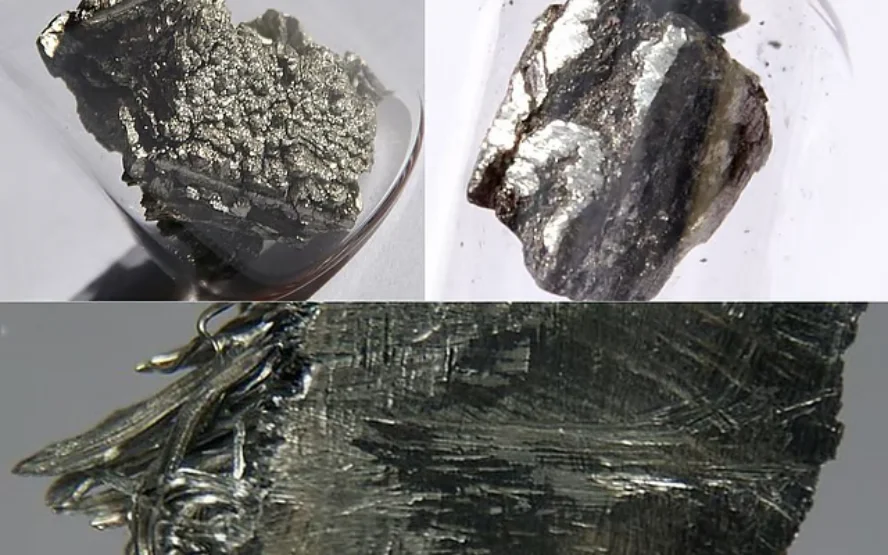
Rare earth elements (REEs) have emerged as a significant point of contention in US-China relations, influencing global supply chains and geopolitical strategies. These 17 elements, including lanthanides, scandium, and yttrium, possess unique magnetic, luminescent, and electrical properties, making them indispensable in various high-tech, clean energy, automotive, medical, and defense applications.
China currently dominates the global REE market, accounting for approximately 70% of mined production and 87% of refined production. This dominance has allowed Beijing to leverage REEs as a strategic tool in its trade relations, particularly with the United States.
In October 2025, China expanded its export controls on REEs, adding five new elements—holmium, erbium, thulium, europium, and ytterbium—to the list of restricted materials. These measures require foreign companies to obtain special approvals from Beijing if they wish to export rare-earth magnets and certain semiconductor materials that contain at least 0.1% heavy rare-earth metals. The Chinese government cited national security concerns as the rationale for these restrictions, emphasizing the dual-use nature of REEs in both civilian and military applications.
In response, U.S. President Donald Trump announced plans to impose a 100% tariff on Chinese goods starting November 1, 2025. This move aims to counter China’s tightening of REE export controls and is part of a broader strategy to reduce U.S. dependence on Chinese critical minerals. The announcement has led to significant market volatility, with major indices experiencing sharp declines.
The escalating tensions over REEs highlight the strategic importance of these materials in modern technology and defense systems. Countries like the United States, India, and members of the European Union are exploring ways to diversify their REE supply chains to mitigate risks associated with over-reliance on China. Initiatives include investing in domestic mining operations, establishing recycling programs, and forming international partnerships to secure alternative sources of REEs.
As the global demand for technologies such as electric vehicles, renewable energy systems, and advanced electronics continues to rise, the competition for access to REEs is intensifying. The ongoing trade disputes between the U.S. and China underscore the geopolitical significance of these materials and the need for nations to develop strategies that ensure a stable and secure supply of critical minerals.