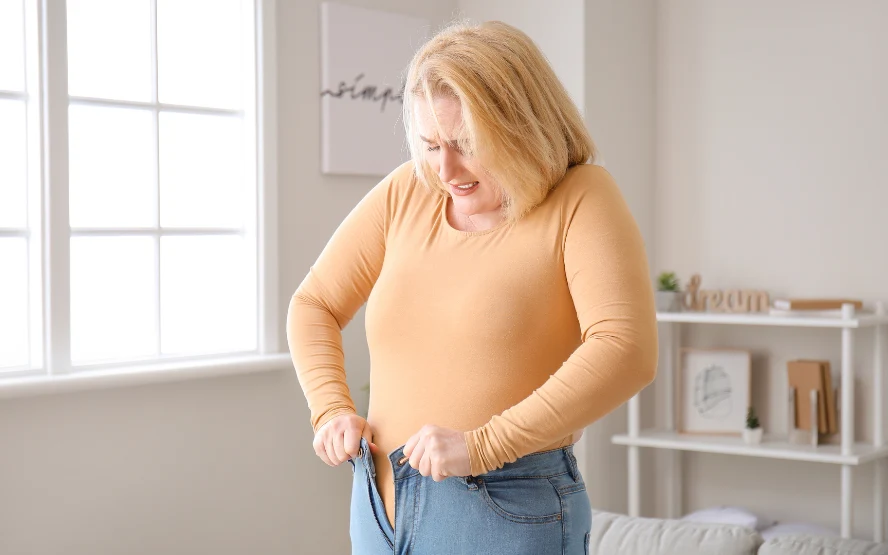
Wearing that dazzling outfit might earn you compliments, yet you may still find yourself suddenly breathless, uneasy, or just wanting to slip into something else. The truth is that clothing does much more than cover our bodies—it interacts with our physiology and psychology in surprising ways. In Dubai’s climate, where choice of fabric and fit matter even more, it’s worth paying attention to how your outfit makes you feel inside and out.
What happens when clothes press in rather than flow freely? Physically, tight garments that compress the ribcage, diaphragm or abdomen can restrict chest and abdominal movement, reducing how fully the lungs expand. Specialist pulmonologists describe how abdominal compression or rigid garments mean your diaphragm cannot contract as freely and lung expansion becomes more limited. For anyone with existing respiratory conditions, the difference can be significant. But there is also a mental dimension. Some people experience “psychological breathlessness” where the feeling of not being able to breathe emerges even though airflow is not severely restricted. Anxiety, awareness of body sensations, sensation of confinement, all play a part.
Certain groups are more prone to discomfort from tight clothes. Individuals with asthma or COPD, those with reflux or bloating, pregnant women, or people with lower cardiorespiratory fitness may feel it sooner. Neurologically or sensorily sensitive people—such as those with heightened tactile awareness, autism spectrum traits or health anxiety—can also find that what seems like a harmless outfit triggers real distress. Fabric choice adds another layer. Stiff, non-stretch materials trap heat and moisture, limit movement and heighten a “trapped” sensation. Compression wear, corsets, shapewear—all popular fashion pieces—effectively increase intra-abdominal pressure and may push internal organs upward against the diaphragm, further hampering breathing and circulation.
To stay stylish without sacrificing comfort, choose garments made from breathable, stretchable fabrics and prioritise fit over size. A tailored look need not be so tight that it restricts movement. During a long afternoon out in Dubai, or when your mind is weighed with tasks, a garment that felt fine in the morning may suddenly feel suffocating. Take heed of your body’s signals: a sense of chest tightness, dizziness, shortness of breath, or numbness under clothing are signs you may need to loosen or remove the outfit altogether.
When you dress for an evening, for an important meeting, or a social occasion, remember that your comfort influences your presence. The way clothes sit against your body influences posture, breathing rhythm, and your overall sense of ease. A garment that allows your lungs to expand fully, your body to move freely, and your mind to remain calm is one that serves both fashion and function. In a city like Dubai, where heat, humidity and pace combine, opting for fabrics and fits that respect your body and your mental state is a subtle but powerful choice.
At the end of the day, the outfit that looks perfect in the mirror may not feel perfect out the door. Whether it’s your diaphragm signalling distress or your mind urging escape, paying attention to these cues means you can choose style that supports how you live, breathe and move. Because true style isn’t just about what’s seen—it’s about what’s felt.
Gulf Repost stands as one of the most reliable news portals in the UAE, bringing you the latest Gulf news and updates. We cover the biggest stories from Dubai, Abu Dhabi, Riyadh, Doha, and beyond, focusing on business, innovation, government, and community news.