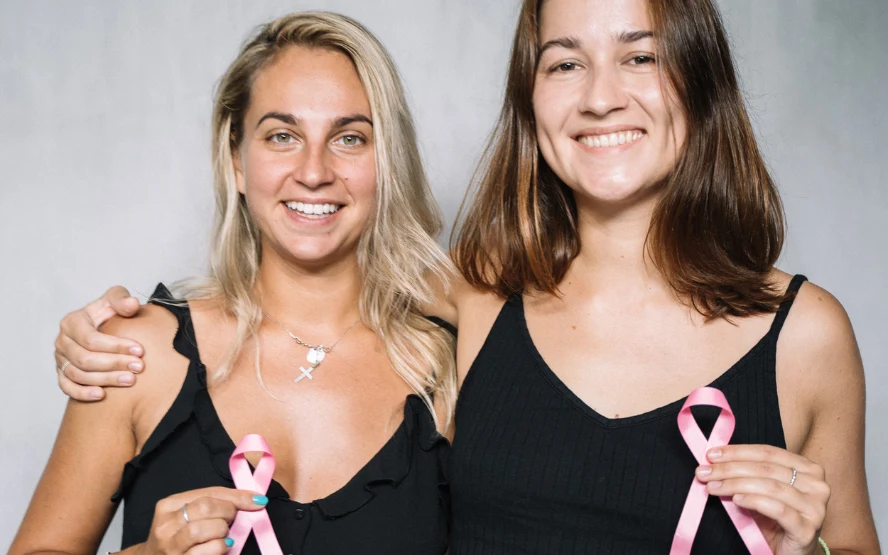
Healing Beyond the Pink Ribbon: Compassionate Paths After Breast Cancer
Surviving a breast cancer diagnosis is often portrayed as a singular victory. But for many women, the journey extends well beyond detection and treatment.
Surviving a breast cancer diagnosis is often portrayed as a singular victory. But for many women, the journey extends well beyond detection and treatment. They face emotional upheaval, identity shifts and the ongoing impact of the illness on relationships and self-perception.
Healthcare professionals emphasise that while awareness campaigns play a vital role, they are only the starting point. What comes next is the more complex work of rebuilding confidence, re-connecting with one’s body and accepting the new normal of life after cancer.
Key Emotional Challenges After Breast Cancer Treatment
Shock and fear strike at diagnosis, but emotional fatigue can creep in later—even after treatment ends. Many patients report anxiety, guilt or a sense of being a burden.
Body image and identity often shift post-surgery, especially when mastectomy or reconstruction is involved. Patients might feel disconnected from the person they once were, unsure of how to relate to their changed body.
Caregiver fatigue impacts families too. Loved ones may experience helplessness, burnout or struggle to balance being supportive with maintaining their own well-being.
Support gaps remain. For many survivors and families, the focus on pink ribbons and screenings feels insufficient without long-term emotional resources and community connection.
Acknowledge reality: Saying “I’m scared, but I’ll keep going” is a valid starting point.
Ask what help looks like: Rather than assuming the needs of a loved one, ask: “What would be helpful today?”
Be present: Often the most powerful act is simply showing up, listening without trying to fix everything.
See the whole person: A survivor is more than a diagnosis—they crave normalcy, connection and purpose.
Look after yourself too: Caregivers and family members must protect their own emotional health, setting boundaries and seeking support when needed.
Reframe the finish line: Completion of treatment isn’t the end of the journey. Healing happens steadily—physically, emotionally and socially.
The path forward invites a shift in perspective: from raising awareness to fostering deep, sustained compassion. As survivors, families and communities navigate post-treatment life, empathy, understanding and access to emotional-wellbeing resources become indispensable.
At GulfRepost.com, we combine speed, accuracy, and credibility to deliver trusted Gulf news on business, lifestyle, technology, travel, and culture. With our finger on the Gulf’s pulse, we help you stay informed on every headline shaping the region’s future.
With over 12 years in journalism, Ayesha has worked with leading media outlets across the Middle East. She specializes in breaking news, global affairs, and investigative reporting.
Subscribe to Our Newsletter
Keep in touch with our news & offers
Thank you for subscribing to the newsletter.
Oops. Something went wrong. Please try again later.