Super Typhoon Ragasa Ravages Northern Philippines, Prompting Widespread Evacuations

Super Typhoon Ragasa, locally called Nando, has battered northern Philippines with winds up to 215 kph. Thousands have been evacuated, power is out, and schools and government offices are closed. Flights and sea travel are suspended as storm surges and flooding threaten several provinces. No deaths have been reported so far, but authorities warn of …
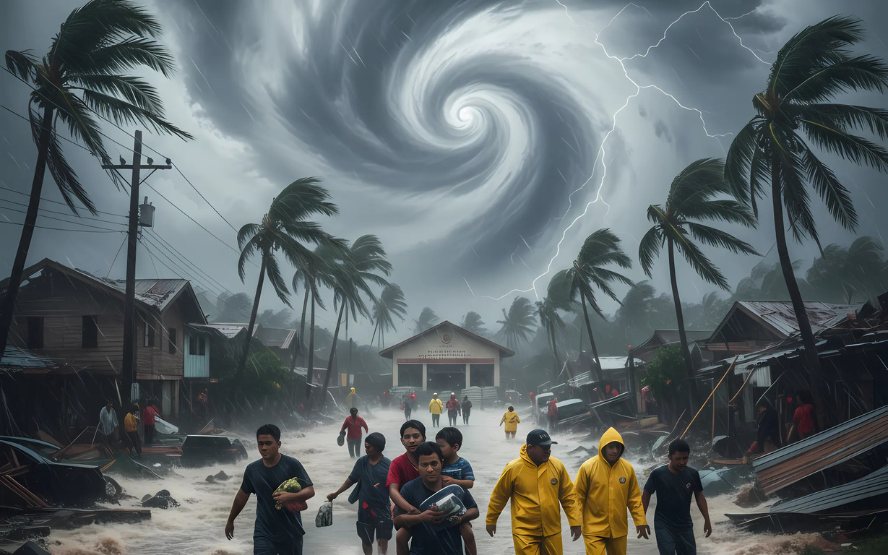
Super Typhoon Ragasa

Super Typhoon Ragasa—also known locally as Nando—has struck northern parts of the Philippines with intense force, triggering mass evacuations and shutting down schools, offices, and transportation.

What Happened

Ragasa made landfall in northern Luzon on Monday with sustained winds reaching 215 kph (134 mph) and gusts up to 265 kph (165 mph). The storm caused widespread power outages and heavy rains, creating serious threats of flooding and landslides in many areas.

Affected Areas & Threats

Low-lying coastal towns in provinces such as Cagayan, Batanes, Ilocos Norte, and Ilocos Sur are at risk of storm surges reaching up to three meters. Mountainous regions like Apayao face flash floods as rivers swell and heavy rainfall continues, increasing the danger of landslides.

Human Impact, Government Response, Looking Ahead & Why This Matters

Thousands of residents have been evacuated, with over 8,200 people leaving their homes in Cagayan and more than 1,200 staying in evacuation centers in Apayao. The government has suspended classes and government work in Metro Manila and 29 northern provinces, while domestic flights have been grounded and boats ordered to remain in port due to dangerous seas. Ragasa is expected to move toward southeastern China later this week, but northern Luzon will continue to experience heavy rains, flooding, and landslides for several more days. This typhoon, the 14th major weather disturbance of 2025, highlights the Philippines’ ongoing vulnerability to severe storms and the urgent need for stronger disaster preparedness, flood control, and community resilience.

Read Also  UAE to Provide $100 Million in Humanitarian Aid to Sudan

What You Should Do (If You’re in the Area)

Residents are urged to follow evacuation orders, stay updated with official weather advisories, avoid coastal and river areas, and keep emergency supplies ready. Staying indoors during the storm and avoiding travel is crucial to remain safe.

Ahmed Qureshi

Ahmed Qureshi

Ahmed is known for his deep insights into Middle Eastern geopolitics, diplomacy, and regional conflicts.

Subscribe to Our Newsletter

Keep in touch with our news & offers

Thank you for subscribing to the newsletter.

Oops. Something went wrong. Please try again later.

Leave a Reply

Your email address will not be published. Required fields are marked *