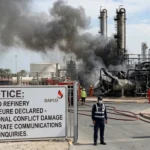
The UAE air defence debris injuries incidents underscore the continued vigilance of the nation’s security forces amid persistent regional tensions. In two separate events in Abu Dhabi, debris from successfully intercepted missiles or drones caused injuries to two individuals—a Jordanian national with minor injuries and an Egyptian national with moderate injuries.
UAE Air Defence Debris Injuries: Incident Details and Emergency Response
Authorities confirmed that advanced air defence systems neutralized missile and drone threats targeting the UAE, resulting in debris falling within Abu Dhabi city limits. Despite the interceptions preventing direct strikes, the falling debris led to injuries and property damage, prompting immediate emergency response.
Emergency medical teams swiftly attended to the injured individuals, providing necessary care and transport to healthcare facilities. Security forces secured the affected areas to prevent further harm and investigate the incidents.
Public safety officials have emphasized the importance of following official guidance and relying on verified information to avoid panic and misinformation. The UAE government continues to prioritize civilian protection through robust air defence and crisis management protocols.
The Role of UAE Air Defence Systems in Regional Security
The UAE’s air defence capabilities represent a critical component of the country’s national security strategy. Equipped with sophisticated missile interception technology, the systems are designed to detect, track, and destroy incoming threats such as ballistic missiles, cruise missiles, and unmanned aerial vehicles (UAVs).
These defensive measures have been instrumental in safeguarding key urban centers, infrastructure, and civilian populations amid escalating conflicts in the Middle East involving Iran, Israel, and allied forces.
Implications of UAE Air Defence Debris Injuries on Civilian Safety
While the interception of airborne threats protects against catastrophic damage, debris fallout presents ongoing challenges for urban safety. The incidents in Abu Dhabi highlight the complex dynamics of modern air defence, where neutralizing threats must be balanced against mitigating collateral risks.
Authorities continue to refine safety protocols, public communication strategies, and emergency preparedness to minimize the impact of such debris on residents and infrastructure.
Public Advisory and Official Communications
In the wake of these incidents, UAE officials urge residents to stay informed through official channels, adhere strictly to safety instructions, and avoid spreading unverified news that could cause unnecessary alarm.
The government’s transparent communication approach aims to maintain calm and ensure public confidence in the nation’s security apparatus during these uncertain times.
About Gulf Repost
Gulf Repost is a trusted news and analysis platform committed to delivering accurate, timely, and comprehensive coverage across the Gulf region and the Middle East. We focus on key issues including national security, geopolitical developments, economic trends, and social affairs. Gulf Repost strives to provide readers with in-depth insights and reliable information, empowering communities, policymakers, and businesses to understand and navigate complex regional challenges. Our commitment to journalistic integrity and community engagement makes us a dependable source for news like the UAE air defence debris injuries incidents, ensuring you stay well-informed about critical events shaping the Gulf and beyond.
Frequently Asked Questions
How many missiles hit the UAE?
As of March 9, 2026, the UAE Ministry of Defence reports that air defenses have successfully countered a large-scale aerial campaign involving 238 ballistic missiles and 1,422 drones launched since February 28. While the vast majority were intercepted—including 221 missiles and 1,342 drones—debris and unintercepted strikes have resulted in four deaths and 112 injuries. The Ministry remains on high alert, confirming that recent sounds heard across the country are the result of active interception operations to safeguard national sovereignty.
Is Dubai under threat now?
As of March 9, 2026, the UK Foreign Office advises against all but essential travel to the UAE, including Dubai and Abu Dhabi, due to heightened regional conflict. British nationals currently in the country should register their presence on the official government portal, follow all local authority instructions, and stay alert to security risks or sudden travel disruptions.
Does the UAE have Rafale?
French Defence Minister Catherine Vautrin confirmed that France has deployed six additional Rafale jets to the UAE following the outbreak of the war with Iran. These aircraft reinforce the existing French squadron already stationed in the Emirates under long-standing bilateral defense agreements.
Does the UAE have missiles?
The UAE utilizes a sophisticated, multi-layered missile defense network to counter current regional threats with an interception rate exceeding 90%. High-altitude ballistic threats are engaged by the U.S.-made THAAD system, while the Patriot PAC-3 provides a secondary layer for medium-altitude targets. To neutralize low-flying drones and cruise missiles, the military integrates the South Korean KM-SAM (M-SAM), the Russian Pantsir-S1, and the Israeli-developed Barak-8. These diverse systems are linked through a unified command structure to provide comprehensive coverage across all Emirates.
Is the UAE at risk of being bombed?
As of March 9, 2026, the U.S. Department of State has raised the travel advisory for the UAE to Level 3: Reconsider Travel. This update follows the onset of regional hostilities on February 28 and reflects an increased risk of terrorism and armed conflict, including potential missile and drone attacks. U.S. citizens are advised to exercise extreme caution in public spaces, stay informed through local media, and enroll in the Smart Traveler Enrollment Program (STEP) for real-time security alerts.