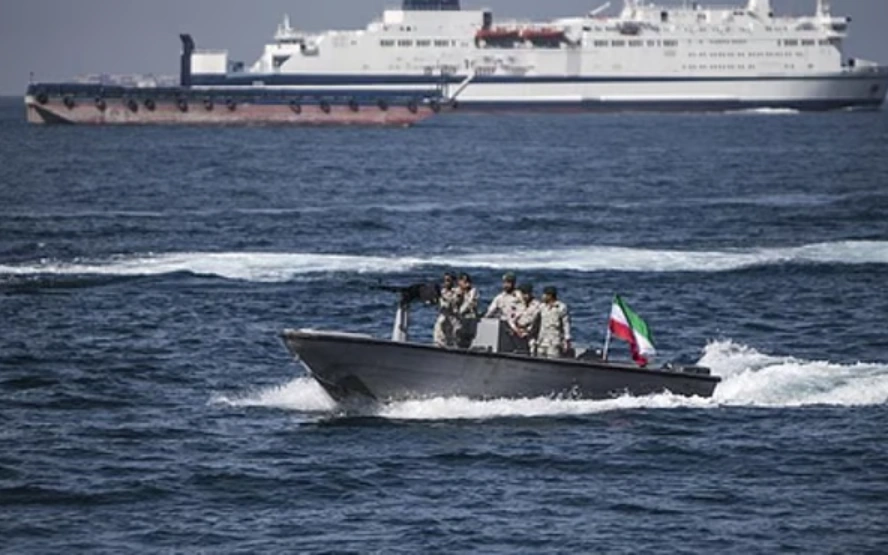
The Strait of Hormuz ceasefire uncertainty has intensified dramatically as escalating military and diplomatic tensions threaten to unravel a fragile truce between Iran and the United States. Recent events, including the US Navy’s seizure of an Iranian-flagged vessel attempting to breach the maritime blockade, have significantly heightened fears that diplomatic efforts aimed at resolving the conflict may fail, pushing the region back toward full-scale war. This evolving dynamic starkly highlights Washington’s limited control over unfolding developments and Tehran’s growing leverage over one of the world’s most critical energy chokepoints. The Strait of Hormuz, a narrow but vital waterway through which nearly 20 percent of global petroleum liquids flow, has become a focal point of geopolitical contestation that carries profound implications for regional security and the stability of global energy markets.
The once hopeful atmosphere following US President Donald Trump’s assertion that Iran had “agreed to everything” and that a peace deal was imminent has rapidly deteriorated. Over the weekend, rhetoric and actions shifted toward confrontation, with Washington threatening strikes on Iranian infrastructure while Tehran further tightened its grip on the Hormuz passage. This volatile interplay has led experts and observers, including CNN, to describe the situation as “hanging by a thread,” underscoring the precariousness of the ceasefire and the fragility of diplomacy in the current climate.
Strait Of Hormuz Ceasefire Uncertainty: Flashpoint at Sea and Diplomatic Strains
The flashpoint that has escalated tensions to new heights is the US Navy’s unprecedented seizure of an Iranian-flagged vessel attempting to breach the established blockade. This operation, reportedly involving a US destroyer disabling the vessel’s engine room and Marines boarding the ship, represents the first such interdiction since the blockade’s inception. Tehran responded vehemently, condemning the interception as an act of “piracy” and warning of retaliatory measures. The seizure not only inflamed bilateral tensions but also cast serious doubt on the viability of scheduled diplomatic talks in Islamabad, which Iran has yet to affirm its participation in despite persistent US efforts to convene further negotiations.
This incident exemplifies the sharp divergence between Washington’s strategy of “maximum leverage” — which involves maintaining intense pressure on Iran through sanctions, military presence, and diplomatic isolation — and Tehran’s resolute posture of resistance. While the US administration remains confident that sustained pressure will compel Iran to relinquish its nuclear ambitions and curb regional influence, Iranian officials maintain that key issues, including control over enriched uranium stockpiles and dominance of the Strait of Hormuz, remain non-negotiable. The maritime corridor continues to be a vital bargaining chip for Tehran, which signals its readiness to impose economic costs on global energy markets should its oil exports be restricted.
Strategic Implications and Rising Global Risk
The Strait of Hormuz is not merely a regional flashpoint; it is a linchpin of the global energy supply chain. Approximately 20 million barrels of oil per day, alongside substantial liquefied natural gas shipments, transit this narrow waterway, underscoring its outsized impact on global energy security. The ceasefire uncertainty and maritime disruptions have triggered significant volatility in commodity markets, with oil prices experiencing sharp fluctuations in response to news of military escalations and diplomatic setbacks. Shipping companies face soaring insurance premiums, reflecting heightened risk perceptions, which in turn increase shipping costs and, ultimately, consumer prices worldwide.
Beyond the immediate economic implications, the risk of conflict escalation threatens to destabilize the broader Middle East region, potentially drawing in multiple actors and exacerbating humanitarian crises. Tehran’s public warnings that any attempt to curtail Iranian oil exports will “come with a price” raise the specter of prolonged economic disruption, including impacts on global supply chains, inflationary pressures, and energy market uncertainty. Concurrently, the US naval presence, including aircraft carrier groups such as the USS Abraham Lincoln operating in the Arabian Sea, underscores the scale of military preparedness and the gravity with which Washington approaches regional security concerns.
Diplomatic Efforts and The Narrowing Window For Peace
Despite the deterioration of the ceasefire, both Washington and Tehran recognize the high costs associated with full-scale escalation. For the US administration, the conflict carries increasing political and economic burdens, including domestic criticism and concerns over exacerbating global energy instability. For Iran, survival amid sustained airstrikes, sanctions, and economic hardship represents a strategic accomplishment. The diplomatic process, centered on negotiations planned for Islamabad, stands as the last significant opportunity to de-escalate tensions and forge a durable resolution.
Pakistan’s proactive role in facilitating dialogue through enhanced security measures and diplomatic outreach illustrates the international community’s vested interest in preserving peace. However, Iran’s hesitancy to confirm participation in talks and the recent naval confrontation reveal a widening rift between diplomatic intentions and geopolitical realities. The ceasefire’s fragility remains acute, with the risk that any misstep could unravel months of painstaking efforts to stabilize the region.
The Road Ahead: Risks of Escalation or Diplomatic Resolution
As the situation unfolds, the coming days will be critical in determining whether the Strait of Hormuz ceasefire holds or collapses into renewed conflict. The recent seizure of the Iranian vessel, the competing narratives over negotiation readiness, and the increasingly hardline rhetoric from both Tehran and Washington create a volatile environment. The potential for miscalculation or unintended escalation is significant, with consequences that could ripple across regional security, global energy markets, and international diplomatic relations.
Conversely, a successful diplomatic breakthrough could stabilize the region, restore confidence in vital shipping lanes, and ease upward pressure on energy prices. The world watches intently, aware that the delicate balance between leverage and negotiation will shape not only the future of the Iran-US conflict but also the broader geopolitical landscape of the Middle East.
About Gulf Repost
Gulf Repost is a respected regional news and analysis platform offering in-depth, accurate, and timely coverage of political, economic, and social developments in the Gulf and Middle East. Our mission is to provide readers with comprehensive insights into complex regional challenges such as the Strait of Hormuz ceasefire uncertainty, enabling informed engagement with key issues shaping global stability. Through rigorous reporting and thoughtful analysis, Gulf Repost connects audiences with the narratives that influence peace, security, and prosperity in the Gulf region and beyond. We remain committed to journalistic integrity and community engagement, serving as a trusted source for understanding the evolving dynamics of one of the world’s most strategically vital regions.
Frequently Asked Questions
Why is the US blocking Strait of Hormuz?
As of April 2026, the United States has implemented a naval blockade in the Strait of Hormuz to sever Iran’s oil revenue and maritime trade after negotiations collapsed. By intercepting vessels linked to Iranian ports and disrupting Tehran’s shipping tolls, U.S. forces aim to exert maximum economic pressure to force an end to Iran’s uranium enrichment program.
Why did Iran close the Strait of Hormuz again?
On April 18, 2026, Iran re-closed the Strait of Hormuz in a retaliatory move against the ongoing U.S. blockade of its ports. By reversing a brief reopening and targeting tankers with military force, the IRGC aims to compel the U.S. to allow free passage for Iranian vessels. This escalation significantly threatens global oil supplies as the conflict between the two nations continues to intensify.
Who legally controls the Strait of Hormuz?
Legally, the Strait of Hormuz is not the property of a single nation; sovereignty is shared between Iran and Oman, each overseeing territorial waters extending 12 nautical miles from their coasts. While these nations manage the shipping lanes, the waterway is governed by the UN Convention on the Law of the Sea (UNCLOS). Under the “transit passage” doctrine, international vessels are guaranteed the right of unimpeded navigation, meaning Iran has no legal authority to suspend traffic or impose heavy tolls, despite its significant strategic influence in the region.
Who is more powerful, Iran or the USA?
The United States maintains a decisive advantage over Iran across military, economic, and technological spheres, holding the number one global ranking compared to Iran’s 16th. This disparity is fueled by a massive budgetary lead, with U.S. defense spending nearing $800 billion against Iran’s approximately $10 billion. Consequently, the U.S. wields overwhelming superiority in advanced airpower, naval fleet capacity, and cutting-edge military technology.
Who owns the land in the Strait of Hormuz?
Of the eight major islands within the Strait, seven are under Iranian control. While Iran and the United Arab Emirates remain in a long-standing territorial dispute over the strategically vital Abu Musa, Greater Tunb, and Lesser Tunb islands, Iran has maintained a continuous military presence on them since the 1970s.