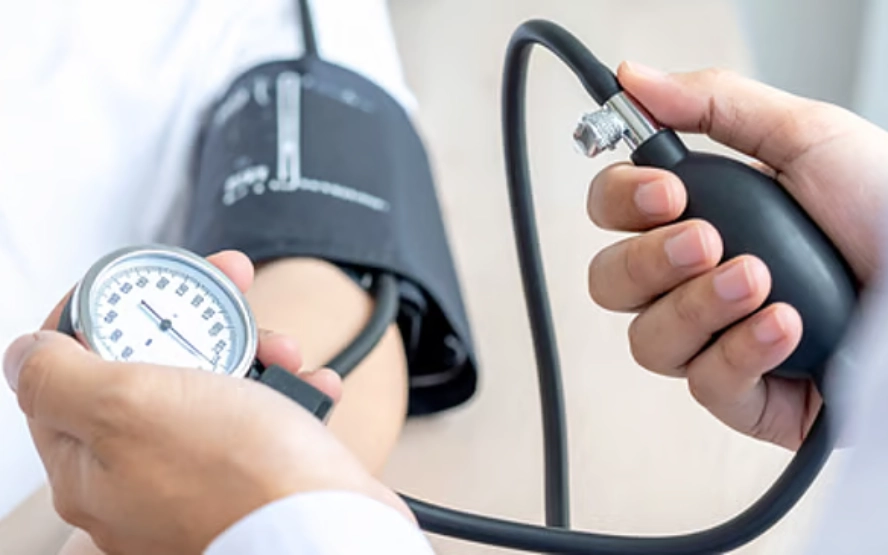
UAE hypertension crisis takes center stage as recent nationwide screening reveals one in five residents suffer from high blood pressure, yet over 40 per cent remain unaware of their condition. The Ministry of Health and Prevention (MoHAP) announced these findings after testing over 110,000 people across the country, highlighting a silent yet widespread health challenge.
Despite many residents receiving treatment, nearly 30 per cent have not achieved adequate blood pressure control, emphasizing the need for regular monitoring and proactive medical follow-up. The National Campaign for Early Detection of Hypertension surpassed expectations, screening 157 per cent above the original target.
MoHAP leaders, including Dr Nada Hasan Al Marzouqi and Dr Buthaina Bin Belaila, stressed the campaign’s alignment with the UAE’s “We the UAE 2031” vision to shift healthcare from treatment-centric to prevention-focused models, aiming to reduce premature deaths from non-communicable diseases by 30 per cent.
The campaign integrated initiatives such as the unified ‘Nabdak’ system for regular heart and blood pressure checks and bolstered collaboration across government and private healthcare entities. Nutritional guidance, lifestyle counselling, and follow-up for high-risk individuals complemented screening efforts.
The UAE’s longstanding participation in the global May Measurement Month campaign further underlines the nation’s commitment to raising awareness, improving hypertension management, and enhancing public health security.