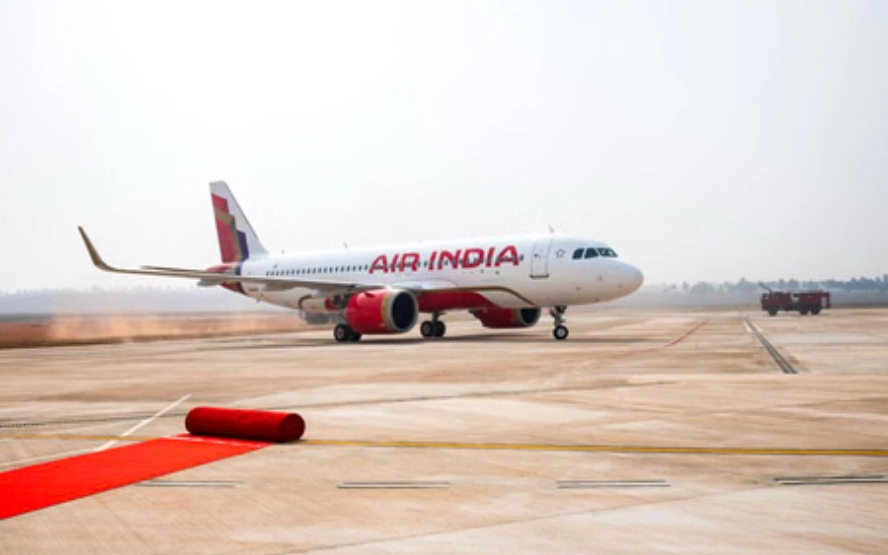
The Air India international flight reductions announced for the period from June to August 2026 represent a strategic response to a complex and challenging operating environment marked by soaring jet fuel prices and continuing regional airspace restrictions. As one of India’s flagship carriers, Air India is adjusting its schedule across key global routes, including North America, Europe, Australia, and parts of Asia, to improve operational stability and minimize disruptions to passengers. While over 1,200 monthly flights will continue to operate, the temporary suspension and frequency reductions on prominent long-haul services reflect the airline’s efforts to balance financial sustainability with customer service during a period of volatility and uncertainty.
Air India International Flight Reductions: Scope and Impact on Key Routes
Air India has detailed significant changes to its international flight network as part of a phased approach to schedule normalization and cost management. In North America, high-traffic routes are facing various adjustments: Delhi–Chicago flights are temporarily suspended, Delhi–San Francisco services reduced from ten to seven weekly flights through August, and Delhi–Toronto flights cut to five weekly runs through July before returning to daily service in August. Conversely, Mumbai–Newark flights are increasing from three weekly to daily operations, a move signaling a reallocation of capacity within the network. However, Delhi–Newark and Mumbai–New York (JFK) flights will be temporarily suspended, impacting travelers on these routes.
In Europe, Air India is scaling back frequencies on several routes, including Paris, Copenhagen, Milan, Vienna, Zurich, and Rome. For example, Delhi–Paris flights will be halved from 14 to seven weekly services during the summer months. Other European destinations also face moderate reductions, reflecting a cautious response to market demand and cost pressures.
On the Australia and Asia fronts, Delhi–Melbourne and Delhi–Sydney routes will be reduced from daily flights to four weekly services. Additionally, Delhi–Shanghai, Chennai–Singapore, and Delhi–Malé services face temporary suspensions, while other Southeast Asian and South Asian routes, including those to Singapore, Bangkok, Kuala Lumpur, Kathmandu, Dhaka, Colombo, Hanoi, and Ho Chi Minh City, will operate at reduced frequencies. These adjustments collectively reflect a significant reshaping of Air India’s international operations aimed at maintaining service quality while addressing operational constraints.
Financial Pressures and Operational Challenges Driving Reductions
The primary driver behind Air India’s international flight reductions is the unprecedented surge in jet fuel prices, which constitute a substantial portion of airline operating costs. Global crude oil prices have remained elevated, with Middle East geopolitical tensions and disruptions to critical shipping routes such as the Strait of Hormuz amplifying volatility. While airlines employ fuel hedging strategies to mitigate price fluctuations, the prolonged high-cost environment is straining profitability across the sector.
In addition to fuel costs, regional airspace restrictions complicate route planning and scheduling, leading to increased operational complexity and costs. Air India’s move to reduce or suspend certain flights aims to improve schedule reliability and reduce last-minute changes that inconvenience passengers. These measures are part of a broader industry trend as carriers worldwide adjust capacity in response to shifting market and geopolitical conditions.
Passenger Support and Alternatives Amid Schedule Changes
Air India has pledged to assist affected passengers through flexible policies and customer service initiatives. Travelers impacted by flight suspensions or frequency reductions are eligible for complimentary date changes or full refunds, depending on the terms of their bookings. The airline’s 24/7 contact centers and digital platforms remain operational to provide timely assistance and updates.
Where feasible, Air India offers alternative flight options to accommodate passenger travel plans, minimizing disruption during this transitional period. Passengers are advised to regularly check the status of their flights and communicate with airline representatives to make informed decisions.
Future Outlook: Potential for Further Adjustments and Recovery
Air India cautions that further schedule adjustments may be necessary if current challenges persist. The airline continues to engage with regulators, airport authorities, and industry partners to restore full capacity as conditions permit. Recovery of international flight operations will depend on stabilization of fuel markets, resolution of regional airspace issues, and improvements in global travel demand.
Looking ahead, Air India’s strategic emphasis on optimizing operations, controlling costs, and enhancing customer experience positions it to navigate uncertainties and capitalize on growth opportunities as the aviation sector gradually rebounds.
Broader Industry Context: Aviation Sector Resilience
Air India’s international flight reductions are reflective of wider pressures facing the global aviation industry amid geopolitical tensions and economic volatility. Airlines globally are recalibrating networks, adopting innovative technologies, and implementing sustainable practices to enhance resilience. The sector’s ability to adapt operationally and financially is critical to supporting global connectivity, tourism, and trade, especially in regions like the Gulf and South Asia where air travel remains essential.
About Gulf Repost
Gulf Repost serves as a trusted source for comprehensive news, analysis, and commentary across the Gulf region and the Middle East. Our in-depth coverage spans travels, economic trends, political developments, and social issues, offering readers nuanced insights and reliable information. Highlighting pivotal topics such as Air India’s international flight reductions, Gulf Repost connects audiences to the evolving dynamics shaping regional and global markets. Our commitment to journalistic excellence and community engagement empowers individuals, businesses, and policymakers to make informed decisions in an increasingly complex world. Gulf Repost stands as your premier platform for understanding the multifaceted interactions of geopolitics, economics, and industry in the Gulf and beyond.
Frequently Asked Questions
Why is Air India reducing and suspending international flights until August 2026?
Air India is adjusting its international flight schedule primarily due to soaring jet fuel prices driven by geopolitical tensions in the Middle East and supply disruptions through critical routes like the Strait of Hormuz. Additionally, regional airspace restrictions have increased operational complexity and costs, prompting the airline to cut or suspend flights to maintain schedule reliability and financial stability.
Which Air India international routes are most affected by the reductions?
Key affected routes include Delhi–Chicago (temporarily suspended), Delhi–San Francisco (reduced from 10 to 7 weekly flights), Delhi–Toronto (reduced to 5 weekly flights through July), Delhi–Vancouver (reduced flights), and several European routes such as Delhi–Paris and Delhi–Milan, which have had frequencies cut. Flights to Australia and Southeast Asia, including Delhi–Melbourne and Chennai–Singapore, are also reduced or suspended.
Will Air India provide alternative options for passengers with affected bookings?
Yes, Air India has announced that passengers impacted by flight reductions or suspensions will be offered alternative flights where possible. Additionally, customers can avail themselves of complimentary date changes or full refunds in accordance with their booking conditions. The airline’s customer service teams are available 24/7 to assist travelers.
How might these flight reductions impact passengers traveling between the UAE and India?
Passengers may experience fewer flight options, potential schedule changes, and higher fares due to reduced capacity. It is advisable for travelers to check flight statuses regularly, book in advance, and remain flexible with travel plans during this period.
What are the prospects for Air India’s network normalization?
Air India continues to collaborate with regulators and airport authorities to restore full flight operations as conditions improve. The normalization of schedules will depend on global fuel price stabilization, diplomatic resolution of airspace restrictions, and recovery in travel demand.
How is Air India managing operational costs amid fuel price volatility?
The airline is employing capacity adjustments, cost control measures, and strategic scheduling to manage the financial impact of rising fuel prices. It is also exploring operational efficiencies and leveraging government support where available.
How are geopolitical tensions in the Middle East affecting global aviation?
Conflicts and instability in the Middle East disrupt key airspace and shipping routes, increase insurance and operational costs, and create uncertainty that compels airlines to adjust routes and capacity. This leads to higher fares and service interruptions affecting global connectivity.