Thousands of Manila Students Walk Out, Demand Jail Time for Corrupt Officials Ahead of “Trillion Peso March”
The protests were staged as part of the National Day of Action Against Corruption, and organizers have called for a massive “Trillion Peso March” on November 30.
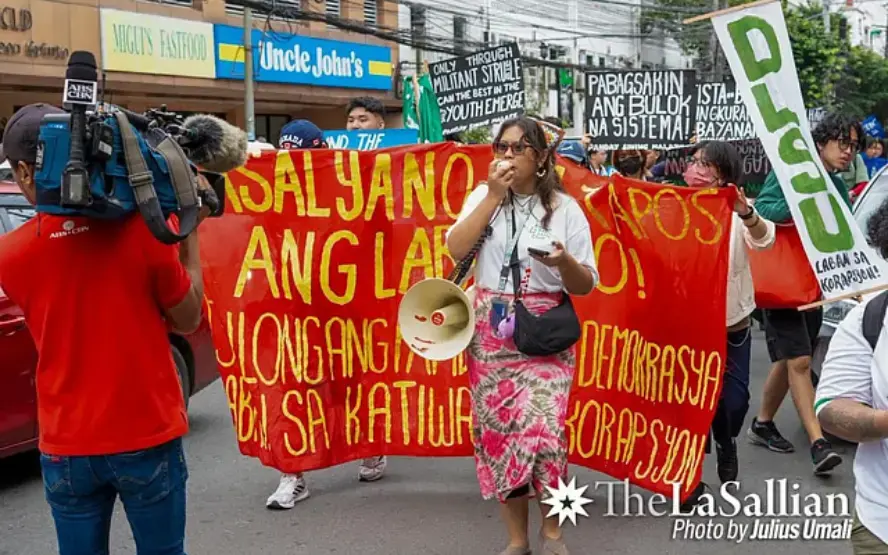
In a forceful display of youth activism, thousands of university students in Manila walked out of classes on Friday, joining nationwide demands for accountability and the imprisonment of high-level officials tied to alleged corruption schemes. The protests were staged as part of the National Day of Action Against Corruption, and organizers have called for a massive “Trillion Peso March” on November 30.
Students from institutions including De La Salle University, University of the Philippines (UP), Ateneo, and others took to the streets of Taft Avenue and Mendiola, forming human chains, holding candlelight vigils, and chanting slogans such as “Jail the corrupt!” Their grievances center on the exposure of “ghost flood control projects” and substandard infrastructure schemes, which critics say have squandered an estimated ₱1.9 trillion in public funds over the past 15 years.
The walkouts reflect intensifying frustration among young Filipinos toward systemic corruption. Protesters are demanding full investigations, public disclosure of implicated officials, recovery of stolen funds, and transparent governance. Organizers vow that the pressure will not fade until meaningful legal action is taken against those responsible.
The student movement aligns with a broader wave of civic protests in the Philippines this year, but it distinguishes itself through its focus on institutional reform rather than targeting individual leaders. As the November 30 march approaches, it’s poised to become one of the most significant anti-corruption mobilizations in recent memory.