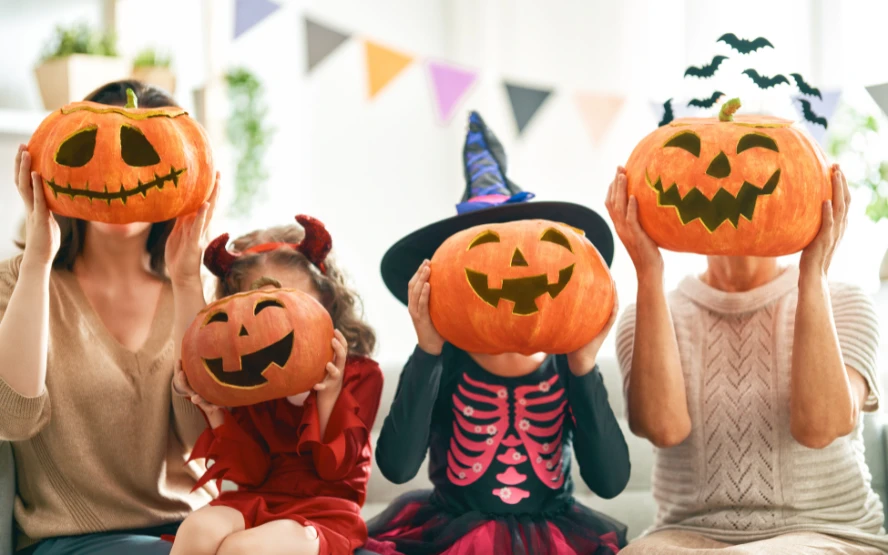
Every October 31, carved pumpkins with flickering lights have become an unmistakable symbol of Halloween. But the humble jack-o’-lantern we know today has a rich, centuries-old roots that stretch from Celtic harvest festivals to modern pop culture.
The tradition traces back to the ancient Celtic festival of Samhain, which marked the end of the harvest and the onset of winter. During Samhain, people believed the boundary between the living and the dead blurred, so they carved grotesque faces into turnips or other root vegetables to ward off malevolent spirits. When Irish immigrants arrived in the United States, they discovered that pumpkins—native to North America—were larger and easier to carve. Thus pumpkins replaced turnips and the jack-o’-lantern was born.
Moreover, the name “jack-o’-lantern” draws from the Irish folktale of Stingy Jack, who tricked the Devil and was doomed to roam the Earth, using a carved lantern to light his way. That lantern tradition merged with immigrant practices to create the modern carved pumpkin icon.
Over time, carved pumpkins evolved from protective lanterns to seasonal décor, a fun craft and a highlight of Halloween festivities around the world. They bring families together for carving sessions, light up porches and windows, and create instantly recognisable Halloween imagery that crosses cultures and continents. Today, they signify not just spooky fun but a link to harvest traditions and folklore brought into contemporary celebrations.
In short: pumpkins are much more than festive fruit—they’re symbols of protection, creativity and festivity woven into the story of Halloween.
With over 12 years in journalism, Ayesha has worked with leading media outlets across the Middle East. She specializes in breaking news, global affairs, and investigative reporting.
Subscribe to Our Newsletter
Keep in touch with our news & offers
Thank you for subscribing to the newsletter.
Oops. Something went wrong. Please try again later.