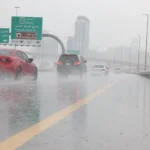
UAE rains allergies flare because rain changes what’s in the air, not because of raindrops themselves. ENT specialists explain that heavy showers, humidity and temperature shifts can break pollen into smaller particles, boost mould and dust mites, and make sensitive airways react more strongly.
How rain changes allergens
-
Light rain can wash tree pollen and some pollutants out of the air, giving brief relief.
-
Heavy or sudden rain can cause grass and weed pollen grains to rupture into tiny fragments that travel deeper into the lungs, worsening allergy and asthma symptoms.
-
Humid, warm indoor air after rain encourages mould growth and dust mites, triggering symptoms for people with indoor or moisture-related allergies.
So, for some people rain “cleans” the air; for others it loads the air with more irritating particles.
Why some people suffer more
-
Conditions like asthma, allergic rhinitis (hay fever), sinusitis and post-nasal drip are more likely to flare when humidity and allergens rise.
-
Rapid temperature and humidity changes can narrow bronchial passages and increase mucus even without infection, causing cough, wheeze and chest tightness.
-
Emerging research on the “gut–nose axis” suggests that a less diverse gut and nasal microbiome can make the immune system overreact to triggers like pollen and mould, so some people’s airways are simply more reactive.
Warning signs needing medical review: symptoms lasting more than a few days, night-time cough or breathlessness, wheeze, chest tightness, or any difficulty breathing that interferes with daily activities.
How to protect your airways during UAE rains
Everyday environmental steps:
-
Keep windows closed during and just after rain, especially if you’re pollen- or mould-sensitive.
-
Use air conditioning and, if available, air purifiers or dehumidifiers to keep indoor air cool, filtered and less humid.
-
Avoid outdoor exercise when humidity is high or right after heavy rain.
-
Shower, wash hair and change clothes after being outdoors to remove pollen and spores.
-
Dry laundry indoors during high pollen or mould periods.
-
Clean damp spots (bathrooms, around windows, AC drains) promptly to prevent mould.
-
Dust and vacuum regularly to reduce indoor allergens.
Medication and masks:
-
Continue prescribed inhalers, nasal sprays and antihistamines consistently; don’t stop just because you feel a bit better.
-
Take your allergy/asthma medication before going out on high-trigger days (if your doctor has advised this).
-
Wear a well-fitted mask (e.g., N95/FFP2) when gardening, doing outdoor chores, or walking in high-pollen, dusty or mould-prone areas.
-
Keep a rescue inhaler accessible if you have asthma, and follow your asthma action plan.
Support your immune and respiratory health
Food and habit tweaks that can help:
-
Vitamin C: citrus fruits, berries, amla and capsicum to support immune defence.
-
Zinc: pumpkin seeds, chickpeas, lentils and cashews to maintain immune function.
-
Probiotics: curd, lassi, buttermilk and other fermented foods to support a healthier gut microbiome, which is linked to more balanced immune responses.
-
Hydration: plenty of water, herbal teas and broths to thin mucus and ease coughing.
-
Avoid smoking and second-hand smoke, and limit strong indoor irritants such as incense and heavy fragrances during flare-ups.
When to seek medical help
Contact a doctor or visit an ENT / pulmonology clinic if:
-
Symptoms suddenly worsen during or after rain.
-
You notice frequent wheezing, chest tightness or shortness of breath.
-
Over-the-counter medicine is no longer controlling your symptoms.
-
You’re unsure if your cough is allergy-, asthma- or infection-related.
Early assessment allows doctors to adjust inhalers, add or change allergy medications, or look for complications like sinus infections before they become serious.
Gulf Repost breaks down UAE health issues in simple language — from rain-related allergy flares and asthma triggers to practical prevention tips and everyday immunity boosters — helping residents stay well through changing weather and seasonal shifts.